
A pile of pet toys on the living room floor can look impressive, but quantity has never guaranteed joy. I have watched dogs ignore expensive gadgets while obsessing over a worn-out rope, and I have seen cats turn a cardboard box into their favorite playground. Those moments taught me that play is deeply personal. Pets are individuals with quirks, fears, instincts, and preferences that shape how they interact with the world.
Choosing the Right Toys for Your Pet’s Personality means paying attention to those individual traits rather than grabbing whatever is trending online. It requires patience, observation, and sometimes a bit of trial and error. Over time, I realized that the key to a happy, engaged pet is not more toys, but the right toys.
Why Personality Matters More Than Price Tags
Marketing often promises smarter, stronger, or more stimulating toys. I have fallen for those promises before, convinced that a higher price meant better enrichment. My pets quickly reminded me that fun cannot be measured in dollars.
Personality determines how a pet experiences play. An energetic dog with a strong prey drive will interact with toys very differently than a cautious rescue who startles at sudden movement. A confident cat may pounce boldly, while a timid one might prefer quiet, hidden play. Matching toys to temperament prevents frustration and builds confidence.
I have seen behavioral improvements simply by swapping out toys that were overstimulating or underwhelming. A bored dog can become destructive, and an anxious cat can withdraw. The right toy channels natural instincts into healthy outlets, which makes daily life smoother for everyone in the household.
The High-Energy Explorer
Some pets wake up ready for action and do not slow down until bedtime. I share my home with a dog who treats the backyard like an adventure course and the hallway like a racetrack. For animals like this, passive toys rarely hold attention for long.
Interactive toys that involve movement tend to be the most effective. Balls that bounce unpredictably, sturdy tug ropes, and flirt poles that mimic prey all tap into that boundless energy. I have found that rotating these toys keeps excitement high, especially for pets who crave novelty.
Puzzle feeders designed for active problem-solvers also work well for energetic personalities. They combine mental and physical stimulation, which helps prevent restlessness. High-energy pets often need both types of engagement to feel satisfied.
Choosing the Right Toys for Your Pet’s Personality in this case means selecting options that can withstand enthusiasm. Durability becomes essential, and supervision is equally important. A toy that falls apart quickly can create frustration and safety concerns.
The Gentle Observer
Not all pets charge into play with full force. Some prefer to sit back, watch, and assess before getting involved. I have cared for a shy rescue dog who needed time to trust new objects in her environment. Loud squeaks or flashing lights would send her retreating to her bed.
Soft plush toys without overwhelming sounds worked far better for her. Gentle textures and familiar scents helped her feel secure enough to interact. I often introduced new toys slowly, placing them nearby rather than tossing them directly toward her.
Cats with similar personalities often enjoy wand toys moved at a slow, predictable pace. Quick jerky movements can feel threatening rather than fun. By adjusting the speed and intensity of play, I was able to help timid pets build confidence.
Choosing the Right Toys for Your Pet’s Personality sometimes means dialing things down. A calmer approach can transform playtime from a stressful event into a bonding experience.
The Problem Solver
Some pets seem to treat life as one big puzzle. I have known dogs who figure out door handles and cats who open cabinets with suspicious ease. For these clever companions, basic toys can become boring within minutes.
Interactive puzzle toys, treat-dispensing balls, and hide-and-seek games provide mental challenges that keep them engaged. I like to vary the difficulty level so they do not become frustrated. Starting simple and gradually increasing complexity keeps their confidence intact.
Homemade enrichment can also be powerful. Hiding treats under cups or inside rolled towels stimulates their brains without requiring expensive equipment. The key is novelty and challenge.
Choosing the Right Toys for Your Pet’s Personality in this scenario focuses heavily on mental stimulation. Physical activity alone may not satisfy a sharp mind that craves problem-solving.
The Chewer
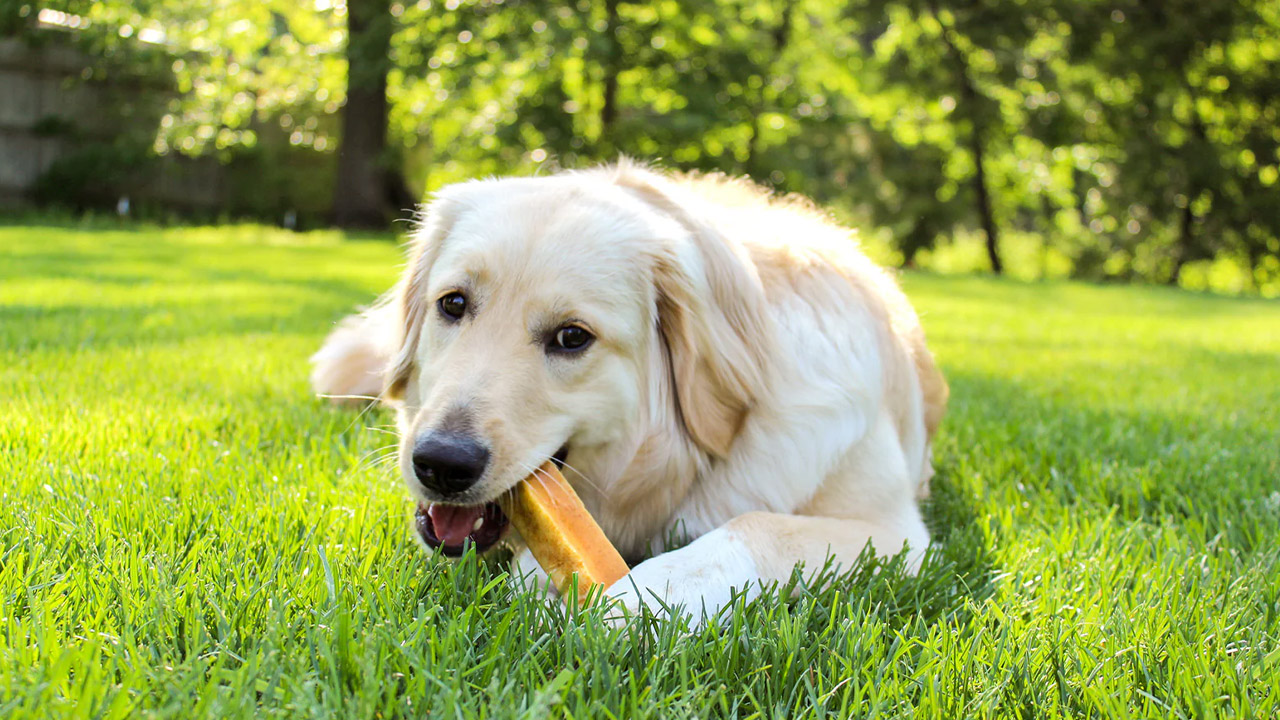
Chewing is a natural behavior, particularly for dogs. I have learned that fighting it rarely works. Instead, I redirect it toward appropriate outlets.
Heavy-duty rubber toys, natural chew options recommended by veterinarians, and reinforced nylon bones tend to hold up best for strong chewers. Safety is my top priority, so I inspect toys regularly for wear and tear. Small fragments can pose risks, especially for enthusiastic gnawers.
Texture matters as well. Some dogs prefer softer materials, while others want something firm enough to challenge their jaws. Observing how a pet interacts with household objects can offer clues about their preferences.
Choosing the Right Toys for Your Pet’s Personality for a chewer means balancing durability with safety. The goal is to satisfy the instinct without encouraging destructive habits.
The Social Butterfly
Certain pets thrive on interaction. They light up when someone grabs a toy and invites them to play. I have found that these animals often prefer toys that involve shared activities.
Tug toys, fetch balls, and interactive wand toys foster connection. Play becomes less about the object itself and more about the relationship. Scheduled play sessions strengthen trust and communication.
Group play in multi-pet homes can be rewarding, but I monitor closely to prevent competition from escalating. Toys that are large enough for cooperative play reduce tension and encourage teamwork.
Choosing the Right Toys for Your Pet’s Personality for a social pet means prioritizing engagement with people or other animals. The toy becomes a bridge for connection rather than a solo distraction.
The Independent Spirit
On the other end of the spectrum, some pets prefer to entertain themselves. I respect that independence and provide options that support it.
Self-moving toys, treat-dispensing gadgets, and durable chew items allow independent pets to engage at their own pace. I make sure these toys are safe for unsupervised use, especially if I am out of the house.
Cats who enjoy solo play often appreciate small objects they can bat around quietly. Simple crinkle balls or soft mice can keep them occupied for extended periods.
Choosing the Right Toys for Your Pet’s Personality in this case means honoring autonomy. Forcing constant interaction can overwhelm an independent animal.
Age and Life Stage Considerations
Personality does not exist in a vacuum. Age plays a significant role in how pets interact with toys. Puppies and kittens tend to explore with their mouths and paws, testing boundaries with enthusiasm.
Senior pets often require softer materials and lower-impact activities. I have adjusted toy selections as my pets aged, focusing on comfort and accessibility. Joint issues or dental sensitivity can change preferences dramatically.
Choosing the Right Toys for Your Pet’s Personality involves revisiting those choices as years pass. What thrilled a young dog may no longer appeal to a senior companion who prefers gentle stimulation.
Safety Above All
No matter how well a toy matches personality, safety remains essential. I routinely inspect toys for loose parts, sharp edges, or excessive wear. Even the most durable product can degrade over time.
Supervision is especially important with new toys. I like to observe how a pet interacts with an item before allowing unsupervised play. This helps me identify potential risks early.
Choosing the Right Toys for Your Pet’s Personality also means knowing when to retire a favorite. Sentimental attachment should never outweigh safety considerations.
Rotating and Refreshing the Toy Collection
Pets can lose interest in toys that are always available. I keep a portion of our collection stored away and rotate items every few weeks. This simple strategy renews excitement without constant purchases.
Rotation also allows me to evaluate which toys genuinely align with each pet’s personality. Favorites quickly become obvious, while neglected items can be donated or discarded.
Choosing the Right Toys for Your Pet’s Personality becomes an ongoing process rather than a one-time decision. Pets grow, habits shift, and preferences evolve.
Observing Body Language During Play
Body language reveals whether a toy is truly a good fit. Loose, relaxed movements signal enjoyment, while stiff posture or avoidance suggests discomfort. I pay close attention to subtle cues such as ear position, tail movement, and vocalizations.
Overstimulation can manifest as frantic behavior or sudden aggression. In those cases, I pause play and reassess. A toy that is too exciting may need to be replaced with something calmer.
Choosing the Right Toys for Your Pet’s Personality requires mindfulness during play sessions. Observation strengthens the bond and ensures that fun does not turn into stress.
Balancing Physical and Mental Stimulation
A well-rounded toy selection addresses both body and mind. High-energy pets benefit from running and chasing, but mental puzzles prevent boredom once the physical rush fades. I strive for balance rather than focusing on one type of engagement.
For indoor days, especially during bad weather, puzzle toys become invaluable. They transform idle time into productive activity. Outdoor play, on the other hand, satisfies instincts that cannot be fully expressed inside.
Choosing the Right Toys for Your Pet’s Personality often means blending multiple categories. Few animals fit neatly into a single box, and variety supports overall wellbeing.
Final Thoughts
Play is far more than entertainment. It is communication, exercise, therapy, and bonding rolled into one daily ritual. Through trial, observation, and patience, I have learned that thoughtful toy selection can transform a pet’s behavior and happiness.
Choosing the Right Toys for Your Pet’s Personality is not about chasing trends or filling a basket with colorful distractions. It is about seeing your pet clearly and honoring who they are. When toys align with temperament, play becomes meaningful, and that joy radiates through the entire home.
