
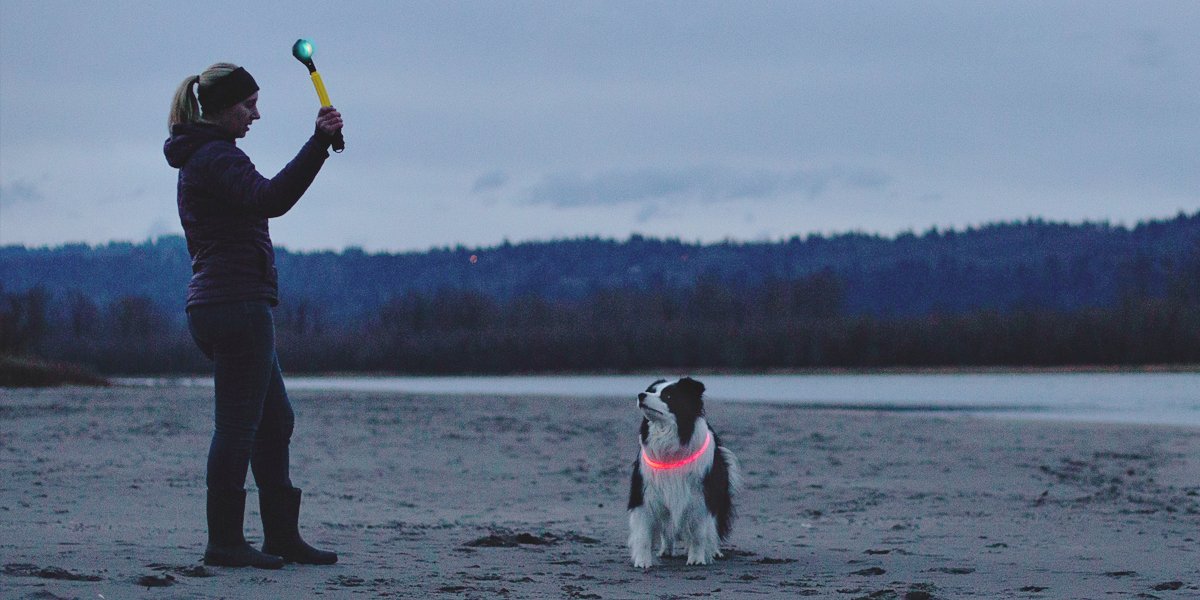
A solid recall can mean the difference between a close call and complete peace of mind. Few moments test a dog owner’s nerves like watching their dog sprint toward a busy road or disappear into tall grass without hesitation. In those seconds, nothing matters more than whether your dog will turn around and run back the instant you call.
Teaching recall: the most important command became a priority in my home after a scare at a local park. My dog spotted a squirrel, bolted across an open field, and for a brief, terrifying stretch of time, ignored my voice completely. That experience reshaped how I viewed obedience training and forced me to focus on building a recall that worked not just in the living room, but in real life.
This article shares the methods that helped me build a reliable recall from the ground up. It was not instant, and it was not effortless, but the process strengthened my relationship with my dog in ways I did not expect.
Why Recall Is a Lifesaving Skill
Basic commands like sit and stay are useful, but recall carries a different level of urgency. A strong recall protects your dog from traffic, aggressive animals, toxic substances, and countless unpredictable hazards. It also protects other people and pets from unwanted interactions.
I realized that recall is not about control for its own sake. It is about trust and responsiveness in moments where distraction is powerful and consequences are real. If my dog could not disengage from excitement and respond to me, then I had work to do.
Recall is also a freedom command. The more confident I became in my dog’s ability to come when called, the more off-leash opportunities I felt comfortable offering. That freedom enriched his life while preserving safety.
Building the Foundation Indoors
Strong recall starts in a controlled environment. I began inside my home, where distractions were minimal and success was easier to achieve. Standing a short distance away, I called my dog’s name followed by a clear, upbeat cue like come.
Tone mattered more than I expected. A cheerful, inviting voice produced better results than a stern one. Dogs are incredibly sensitive to emotional cues, and I wanted recall to feel rewarding rather than intimidating.
When he reached me, I made the reward meaningful. High-value treats, enthusiastic praise, and even a brief play session reinforced the idea that coming back was the best possible decision. Repetition in short, positive sessions built momentum without overwhelming him.
Gradually, I increased distance within the house. Calling from another room or down a hallway added mild challenge while maintaining a high likelihood of success. That steady progression prevented frustration on both sides.
Making Yourself More Interesting Than Distractions
One of the biggest lessons I learned was that recall competes with the world. A squirrel, another dog, or an interesting scent can easily overpower a weak command. If I wanted my dog to choose me, I needed to be worth choosing.
Energy played a major role. Instead of standing stiffly and repeating the cue, I crouched down, clapped lightly, or jogged backward to spark his chase instinct. Movement transformed me from a stationary figure into part of the fun.
Rewards also needed to match the environment. Dry kibble worked indoors, but outdoors I switched to more exciting treats. Sometimes I used a favorite toy or initiated a quick game of tug. The key was unpredictability and enthusiasm, which kept recall dynamic rather than routine.
Avoiding Common Recall Mistakes
Early on, I made a mistake that many dog owners make. I called my dog to me and then immediately clipped on the leash to leave the park. He began to associate recall with the end of fun, and his response slowed noticeably.
To correct this, I started calling him randomly during playtime, rewarding him generously, and then releasing him back to explore. This taught him that coming when called did not always signal the end of freedom.
Another mistake was repeating the cue multiple times. Saying come, come, come in escalating frustration diluted the command. I learned to say it once, clearly and confidently, and then guide him with a long line if necessary rather than nagging.
Consistency also mattered. Allowing him to ignore recall even occasionally weakened its reliability. I became more mindful about calling him only when I could reinforce the behavior effectively.
Introducing Controlled Outdoor Practice
Transitioning from indoor practice to outdoor environments required patience. I began in a fenced yard using a long training leash to maintain control. The long line gave him space to roam while ensuring I could gently guide him back if he hesitated.
Distractions were gradually layered in. First it was mild noises, then distant dogs, then more stimulating settings. I resisted the urge to rush into busy parks too soon because premature exposure often leads to failure.
Each successful recall built confidence. I kept sessions short and ended on a positive note. Over time, I noticed his response becoming faster and more automatic, even when he was mid-sniff or lightly engaged with something interesting.
Teaching recall: the most important command required me to think strategically about environment and timing. Progression, not pressure, shaped long-term success.
The Power of Positive Reinforcement
Reward-based training transformed recall for me. Instead of viewing obedience as compliance, I reframed it as cooperation. My dog began to associate coming when called with positive outcomes rather than obligation.
I varied rewards to prevent predictability. Sometimes it was food, sometimes a favorite toy, sometimes exaggerated praise. That variation kept him attentive and curious about what might happen next.
Body language reinforced my verbal cues. Open posture, eye contact, and a welcoming stance signaled safety and encouragement. Dogs read physical signals faster than words, and aligning both created clarity.
Over time, treats became less frequent but praise remained consistent. The goal was not to eliminate rewards entirely but to maintain a pattern of reinforcement that sustained reliability.
Emergency Recall and Special Cues
After mastering a standard recall, I introduced a special emergency cue reserved for critical situations. This word was never used casually and always paired with an exceptional reward. It served as a high-priority signal for immediate response.
I practiced this cue sparingly to preserve its strength. Each successful response was followed by a jackpot of treats and enthusiastic affection. That conditioning made the cue powerful and distinct from everyday commands.
Emergency recall gave me an added layer of confidence during hikes and off-leash outings. It was not a substitute for consistent training but rather an enhancement of it.
Addressing Setbacks and Plateaus
Progress was not perfectly linear. There were days when distractions won and my dog hesitated or ignored me. Instead of reacting with anger, I treated setbacks as information.
Often, I had increased difficulty too quickly or failed to make the reward compelling enough. Scaling back temporarily restored reliability. Returning to easier scenarios reinforced the behavior before attempting higher challenges again.
Patience proved essential. Dogs are not robots, and environmental variables shift constantly. Maintaining calm persistence helped preserve trust during inevitable missteps.
Strengthening the Bond Through Recall
Recall training deepened our connection in unexpected ways. Calling my dog and watching him sprint toward me with enthusiasm reinforced mutual trust. It felt less like a command and more like a shared language.
I became more attentive to his signals as well. Recognizing moments when he was too overstimulated to respond allowed me to intervene earlier. That awareness improved our communication beyond recall alone.
Teaching recall: the most important command evolved from a safety measure into a relationship-building exercise. The more positive our recall interactions became, the stronger our overall responsiveness grew.
Practicing in Real Life Situations
Structured sessions were valuable, but real-world practice solidified the skill. I incorporated recall into daily routines by calling him from different rooms, during mild play, or before meals. Everyday consistency strengthened muscle memory.
Outdoor practice expanded gradually to parks and trails. I maintained realistic expectations and adjusted difficulty based on environment. High-distraction settings required higher-value rewards and closer supervision.
Group settings added another layer of challenge. Practicing recall around other dogs demanded careful timing and patience. Success in those scenarios marked a significant milestone in our training journey.
Long-Term Maintenance
A reliable recall requires ongoing reinforcement. Even after months of success, I continued practicing regularly. Skills fade without use, and I never wanted to assume reliability without maintaining it.
Occasional surprise rewards kept the command strong. Random reinforcement maintained excitement and prevented complacency. That unpredictability sustained his eagerness to respond.
I also remained mindful about avoiding negative associations. Calling him to scold or discipline undermined recall trust. I made a conscious effort to separate correction from the recall cue entirely.
Final Thoughts
A dependable recall changed the way I experience life with my dog. It provided freedom without sacrificing safety and replaced anxiety with confidence. The process demanded consistency, creativity, and patience, but the results were worth every effort.
Teaching recall: the most important command is not about dominance or control. It is about building a partnership where your dog values responding to you even when distractions compete for attention. That partnership grows stronger through positive reinforcement, gradual challenges, and mutual trust.
Reliable recall does not happen overnight, and it is never truly finished. It is a skill that evolves alongside your dog’s maturity and environment. With thoughtful training and steady practice, it becomes one of the most powerful tools you can develop as a responsible and caring dog owner.
