
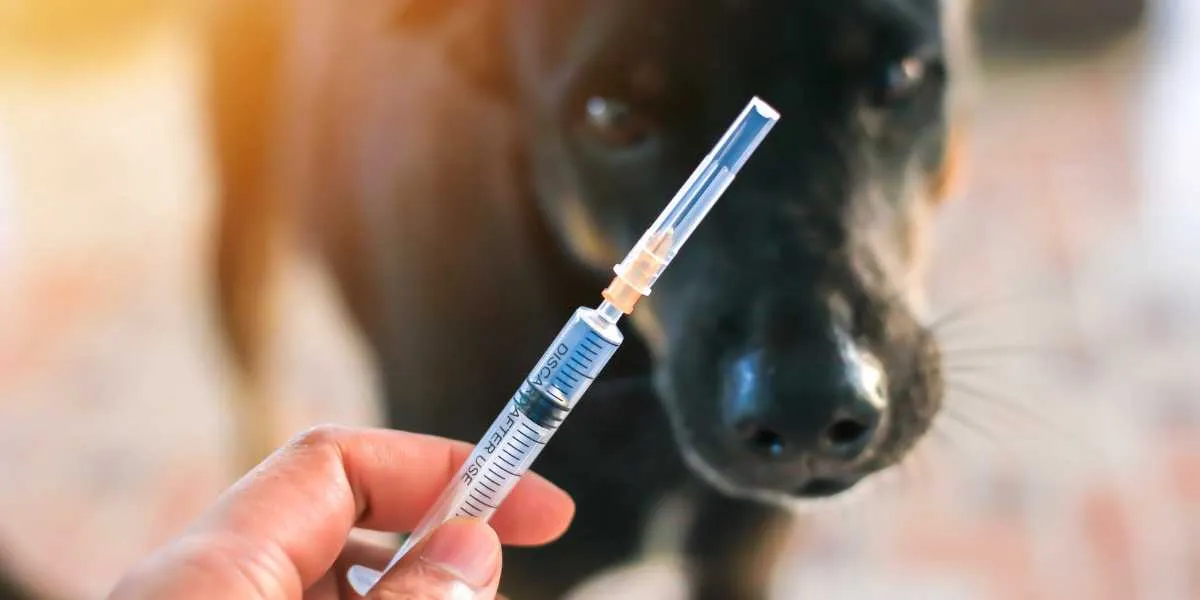
Vaccines play a central role in protecting pets from preventable diseases that can cause severe illness or even death. I have seen how a well-timed vaccine can spare an animal from suffering that could have been avoided. Staying organized and informed about timing has become part of my responsibility as a pet owner.
Confusion often surrounds the topic because recommendations can vary based on age, lifestyle, and location. My veterinarian once explained that no two pets have identical needs, which helped me realize why a fixed, universal calendar does not always apply. Still, there are reliable guidelines that provide structure and clarity.
Paying attention to timing matters just as much as the vaccine itself. A dose given too early or too late may not provide the full level of protection. That is why understanding vaccination schedules has become a priority in my home, especially during the first year of a pet’s life.
Why Vaccines Matter for Long-Term Health
Vaccines stimulate a pet’s immune system to recognize and fight specific diseases. Instead of waiting for natural exposure, which can be dangerous, vaccination prepares the body safely. I take comfort in knowing that this preventive step dramatically lowers the risk of life-threatening infections.
Diseases such as parvovirus in dogs or panleukopenia in cats can spread quickly and have devastating consequences. Vaccination reduces both individual risk and community transmission. Protecting my own pet also contributes to broader public health among animals in my area.
Immunity is not always permanent after a single dose. Booster shots reinforce the immune response and extend protection. That layered defense is why sticking to a recommended timeline is so important.
Core Vaccines for Dogs
Core vaccines are those considered essential for nearly all dogs. These typically include protection against rabies, distemper, parvovirus, and adenovirus. My veterinarian explained that these diseases are widespread and often severe, which makes vaccination non-negotiable in most situations.
The rabies vaccine is legally required in many regions. Beyond compliance, it protects both pets and humans from a fatal viral infection. I never treat that appointment casually because the implications extend beyond my own household.
Distemper and parvovirus can spread rapidly in environments like dog parks and shelters. Even indoor dogs are not completely risk-free, since viruses can travel on shoes or clothing. Following the recommended timeline ensures consistent protection during vulnerable stages of life.
Core Vaccines for Cats
Cats also have essential vaccines that form the backbone of preventive care. These typically include protection against rabies, feline viral rhinotracheitis, calicivirus, and panleukopenia. My indoor cat still receives these core vaccines because certain viruses can be carried inside unknowingly.
Feline panleukopenia is particularly dangerous, especially for kittens. Vaccination dramatically lowers the chances of severe complications. Even if a cat rarely leaves the house, exposure is not impossible.
Rabies vaccination remains important for cats as well, especially in areas where wildlife interaction occurs. I have learned that core vaccines are determined by risk severity rather than lifestyle preference alone.
Puppy and Kitten Vaccine Timelines
The first months of life involve a series of carefully spaced vaccinations. Puppies and kittens receive antibodies from their mothers, but that protection gradually fades. Vaccines are scheduled during this transitional period to build their own immune defense.
Puppies usually begin vaccinations around six to eight weeks of age. Additional doses follow every three to four weeks until about sixteen weeks old. This series ensures that immunity develops even as maternal antibodies decline.
Kittens follow a similar pattern, with initial vaccinations starting at roughly six to eight weeks. Booster shots continue at regular intervals until the series is complete. I mark these dates clearly on my calendar because missing one can delay the entire schedule.
Booster Shots in Adulthood
Once the initial series is complete, pets transition to maintenance boosters. These are not typically given as frequently as during puppy or kittenhood. Many core vaccines shift to a one-year booster after the initial series, followed by intervals of three years depending on the vaccine.
My veterinarian reviews my pet’s records annually to determine which boosters are due. Some vaccines provide multi-year protection, while others may require more frequent updates. Staying current prevents immunity gaps.
The concept behind understanding vaccination schedules includes recognizing that protection evolves over time. A young pet’s needs differ significantly from those of a mature adult.
Non-Core Vaccines and Lifestyle Factors
Non-core vaccines are recommended based on exposure risk. For dogs, this may include protection against bordetella, leptospirosis, or Lyme disease. For cats, feline leukemia is often considered depending on outdoor access.
My dog, who occasionally boards at a kennel, receives the bordetella vaccine because respiratory illnesses can spread easily in group settings. A friend with a strictly home-based dog may not need the same protection. Lifestyle shapes these decisions in meaningful ways.
Geographic location also influences recommendations. Certain regions have higher risks for specific diseases. Discussing travel plans or environmental exposure with a veterinarian ensures that vaccines align with real-world conditions.
Senior Pets and Vaccination Adjustments
Aging pets still require protection, but their needs may shift slightly. Senior animals can have weaker immune systems, making disease prevention even more important. However, vaccine frequency may be adjusted based on overall health.
My older dog continues receiving core vaccines according to schedule. The veterinarian evaluates his condition each year before administering boosters. That individualized assessment ensures that benefits outweigh any potential risks.
Understanding vaccination schedules means recognizing that age does not eliminate the need for preventive care. It simply modifies how that care is delivered.
Addressing Concerns About Overvaccination
Some pet owners worry about giving too many vaccines. I have had those questions myself, especially after reading conflicting information online. Open conversations with my veterinarian helped clarify evidence-based recommendations.
Modern guidelines often rely on research that measures immunity duration. Many vaccines now have extended intervals compared to decades ago. That adjustment reduces unnecessary repetition while maintaining protection.
Titer testing is another option in certain cases. This blood test measures antibody levels to determine whether a booster is needed. While not always required, it can provide reassurance for concerned owners.
Side Effects and What to Watch For
Most pets tolerate vaccines without significant issues. Mild soreness at the injection site or slight lethargy for a day can occur. I monitor my pet closely after each appointment to ensure normal behavior resumes quickly.
Serious reactions are rare but possible. Swelling of the face, persistent vomiting, or difficulty breathing require immediate veterinary attention. Recognizing warning signs provides peace of mind.
Discussing previous reactions with the veterinarian helps tailor future appointments. In some cases, spacing vaccines or administering them individually may be advisable.
The Role of Record Keeping
Maintaining accurate vaccination records simplifies long-term planning. I keep both digital and printed copies of my pet’s medical history. This organization becomes especially useful when traveling or boarding.
Clear documentation prevents missed boosters and unnecessary repeat doses. It also helps a new veterinarian quickly assess previous care if I ever relocate. A complete history supports continuity.
Understanding vaccination schedules becomes far less overwhelming when records are well managed. Clarity replaces guesswork.
Vaccines and Public Health
Vaccination extends beyond individual pets. Diseases like rabies have serious human health implications. Maintaining widespread immunization reduces outbreaks and safeguards communities.
I feel a sense of responsibility knowing that my pet’s vaccination contributes to broader safety. Herd immunity among animals limits the spread of contagious diseases. That collective protection depends on consistent participation.
Local regulations often reflect these public health priorities. Complying with legal requirements ensures both safety and accountability.
Conversations With Your Veterinarian
Veterinary guidance remains central to effective scheduling. No online chart can replace personalized advice based on medical history and lifestyle. I rely on annual wellness exams to review upcoming needs.
Asking questions during appointments helps me stay informed. Clarifying booster timing, non-core recommendations, and potential side effects builds confidence. Communication turns a confusing topic into a manageable plan.
Understanding vaccination schedules is not about memorizing a rigid chart. It is about collaborating with a trusted professional who adapts recommendations over time.
Final Thoughts
Vaccination is one of the most powerful tools available in preventive pet care. Timely doses protect against diseases that once claimed countless animal lives. Staying consistent with recommended intervals ensures that immunity remains strong.
Understanding vaccination schedules requires attention to age, lifestyle, regional risks, and evolving health status. Puppies and kittens need closely spaced initial doses, adults transition to maintenance boosters, and seniors benefit from tailored evaluations. Non-core vaccines depend on exposure and individual circumstances.
Following a structured plan supported by veterinary guidance allows me to safeguard my pet’s health with confidence. Organized records, open communication, and proactive scheduling transform a complex topic into a manageable routine that supports lifelong well-being.
