
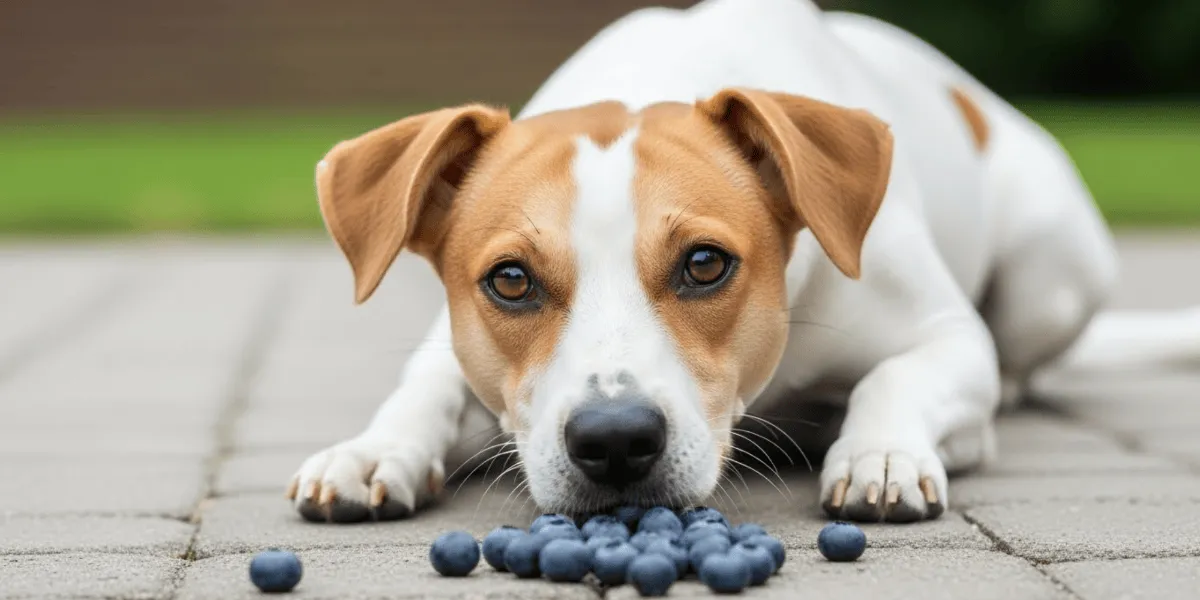
My dog positions himself between me and the front door whenever someone knocks. He does not lunge or bark wildly, but his body stiffens, his ears angle forward, and his eyes lock onto the source of the sound. That posture feels deliberate, almost ancient, as if he is stepping into a role written long before he ever set paw in my house.
I have lived with easygoing companion breeds and high-alert working dogs, and the difference in instinct can be striking. Some dogs greet strangers with wiggling enthusiasm, while others evaluate from a distance before relaxing. Those reactions are not random quirks of personality; they often trace back to generations of selective breeding.
Exploring why some dogs are natural protectors (it’s in their DNA) changed the way I interpret that watchful stance at the door. What looks like simple loyalty often has deep genetic roots tied to history, purpose, and survival.
The Legacy Of Working Lineage
For centuries, humans relied on dogs not just for companionship but for protection of livestock, property, and family members. Breeds were carefully developed to amplify traits like vigilance, courage, and territorial awareness. Over time, those qualities became embedded in genetic lines.
The German Shepherd offers a clear example of this legacy. Originally bred for herding and guarding flocks, the breed evolved to combine intelligence with a strong protective instinct. That combination later made them ideal for police and military roles.
Living with a dog shaped by working ancestry feels different from living with one bred purely for companionship. The alertness is not taught; it emerges naturally in certain contexts, especially when unfamiliar situations arise.
Guardian Breeds And Genetic Selection
Some breeds were specifically developed to guard livestock against predators. The Great Pyrenees spent generations patrolling mountain pastures, making independent decisions to deter threats. These dogs learned to assess danger without constant human direction.
Selective breeding reinforced calm confidence paired with a readiness to confront intruders. The instinct to protect territory and flock became hardwired over time. Even in suburban settings, that vigilance can surface when a delivery truck pulls into the driveway.
Why some dogs are natural protectors (it’s in their DNA) becomes clearer when I look at these historical roles. Genes preserved the behaviors that once ensured survival for both animals and humans.
The Role Of Territorial Instincts
Territorial awareness is another trait deeply connected to protection. Some dogs feel a strong sense of ownership over their space, whether that space is a farmyard or a small apartment. That instinct often stems from ancestral responsibilities tied to guarding boundaries.
The Rottweiler historically drove cattle and protected resources. Over generations, breeders favored dogs that stood their ground when challenged. Modern Rottweilers still carry that predisposition, even if their daily routine involves couch naps rather than livestock management.
Watching my own dog monitor the perimeter of our yard, I sometimes imagine the echo of those older roles. His behavior feels less like suspicion and more like a job he believes he was born to do.
Confidence Versus Aggression
Protective instinct does not automatically equal aggression. In fact, truly well-bred guardian dogs often display calm self-assurance rather than reactive hostility. They assess situations before acting, which reflects balanced genetic selection.
Poor breeding practices can distort these instincts, amplifying fear or unpredictability instead of stable confidence. Responsible breeders aim to preserve temperament as carefully as physical traits. Stability is essential for a dog entrusted with protective responsibilities.
Why some dogs are natural protectors (it’s in their DNA) involves nuance. The goal is not uncontrolled aggression but composed readiness supported by generations of selective refinement.
Hormones And Behavioral Expression
Biology operates at the hormonal level as well as the genetic one. Testosterone, cortisol, and adrenaline responses influence how a dog reacts to perceived threats. Genetic predisposition shapes how intensely and quickly those systems activate.
Some dogs experience a mild surge of alertness when startled. Others shift instantly into a focused, protective stance. Those differences often reflect inherited thresholds for stress and arousal.
Living closely with my dog has made me attuned to subtle changes in posture and breathing. I can sense when instinct takes over, guided by biological mechanisms set long before we met.
Intelligence And Decision-Making
Protective breeds frequently rank high in intelligence and problem-solving ability. The Doberman Pinscher was developed to combine loyalty with quick thinking. That mental sharpness allows for rapid assessment of complex situations.
A dog that protects effectively must distinguish between genuine threats and harmless visitors. Genetics influences cognitive flexibility, which in turn affects how protection manifests. Dogs with strong guardian heritage often demonstrate impressive judgment when properly socialized.
Why some dogs are natural protectors (it’s in their DNA) also relates to this mental component. Instinct without discernment can lead to chaos, but instinct paired with intelligence creates reliability.
Social Bonding And Loyalty
Protection is closely linked to attachment. Dogs bred for close partnership with humans often develop deep loyalty to their primary caregivers. That bond motivates protective behavior more than territorial instinct alone.
The Bullmastiff exemplifies this dynamic. Originally tasked with deterring poachers, the breed was designed to remain close to its owner while standing firm against intruders. Affection and vigilance coexist in a carefully balanced package.
I notice that my dog’s protective stance intensifies when I appear anxious or uncertain. That response suggests not just territorial awareness but emotional attunement shaped by centuries of partnership.
The Influence Of Early Socialization
Genes set the foundation, yet early experiences refine expression. A puppy from a guardian lineage still requires structured socialization to develop appropriate responses. Without exposure to diverse people and environments, natural protectiveness can tip toward fearfulness.
Balanced exposure helps a genetically predisposed dog differentiate between everyday stimuli and genuine threats. Positive reinforcement strengthens calm reactions. That guidance ensures inherited instincts remain assets rather than liabilities.
Why some dogs are natural protectors (it’s in their DNA) does not negate the importance of training. Genetics provides potential, but environment shapes outcome.
Modern Roles In Law Enforcement And Service
Protective instincts continue to serve vital functions today. Law enforcement agencies often rely on breeds like the Belgian Malinois for patrol and detection work. These dogs combine physical agility with strong guarding tendencies.
Their performance reflects generations of selective breeding aimed at enhancing courage, drive, and trainability. Not all individuals within a breed possess identical levels of instinct, but the genetic baseline remains strong.
Seeing these dogs work reinforces how deeply ingrained protective behaviors can be. They respond not out of fear, but from a biologically reinforced sense of duty.
Misinterpretations Of Protective Behavior
People sometimes mistake fear-based reactivity for true protectiveness. A dog that barks excessively at harmless stimuli may be overwhelmed rather than guarding effectively. Distinguishing between these motivations requires careful observation.
Confident guardian dogs often display quiet watchfulness instead of frantic energy. Their bodies remain controlled even when alert. That difference highlights the role of stable genetics in shaping measured responses.
Why some dogs are natural protectors (it’s in their DNA) includes recognizing what authentic protection looks like. It is rooted in composure and clarity rather than uncontrolled alarm.
Ethical Responsibility Of Ownership
Living with a naturally protective dog carries responsibility. Proper training, consistent boundaries, and thoughtful management are essential. Genetics may predispose a dog toward guarding, but owners guide how that instinct fits into modern life.
Clear leadership reassures the dog that not every knock or passing stranger requires intervention. That structure prevents unnecessary stress for both pet and household. I have learned that calm consistency supports the healthiest expression of protective traits.
Owning such a dog means respecting its instincts without encouraging paranoia. Balance is the key to harmony.
Individual Variation Within Breeds
Even within strongly protective breeds, individual temperament varies widely. Not all Akita will display the same level of territorial instinct. Genetic diversity ensures that personality differences persist.
Meeting multiple dogs from the same breed has shown me how unique each animal remains. Some lean heavily into guarding roles, while others express milder versions of the trait. These variations reflect complex genetic interplay rather than rigid programming.
Why some dogs are natural protectors (it’s in their DNA) acknowledges probability rather than certainty. Genes influence likelihood, not inevitability.
Final Thoughts
Protective behavior often feels deeply personal, as if my dog consciously decided to shield me from harm. In reality, that impulse traces back through generations of selective breeding and biological refinement. Genes laid the groundwork for vigilance, loyalty, and courage long before we shared a home.
Why some dogs are natural protectors (it’s in their DNA) becomes clear when history, biology, and daily observation intersect. From livestock guardians to modern service dogs, protective instincts have been carefully preserved because they served real purposes. Those instincts continue to shape behavior even in contemporary households.
Living with a naturally protective dog requires respect, guidance, and empathy. Genetics may spark the instinct, but responsible ownership shapes its expression. In the quiet moments when my dog settles beside me after investigating a strange sound, I see both ancient heritage and present-day partnership woven together in a single steady gaze.
