
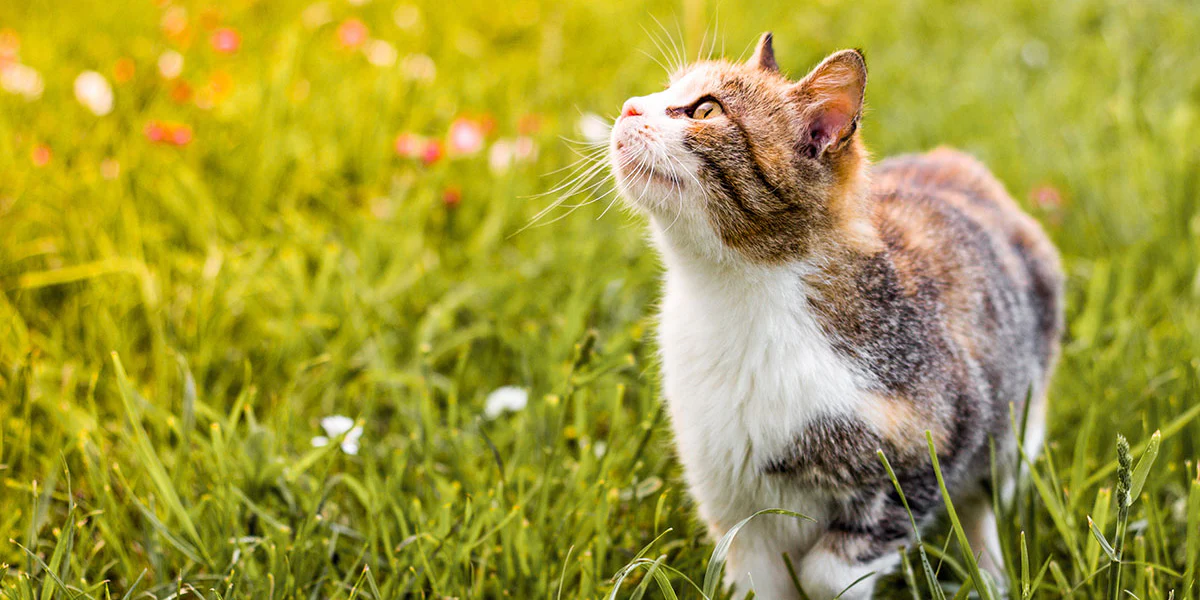
A backyard can become the most exciting part of a pet’s world if I design it with intention. Open space alone does not guarantee safety or enrichment, and I have seen how quickly a poorly planned yard can turn into a source of stress. My goal is always to build an environment where my pets can explore freely while I feel confident about their security. That balance requires thought, patience, and a willingness to see the space from their perspective rather than my own.
Creating the perfect pet-friendly backyard is not about luxury landscaping or expensive installations. It is about blending safety, stimulation, and comfort into one cohesive outdoor area. Pets experience the yard through scent, texture, sound, and movement, so I consider all those factors before making changes. With careful planning, even a modest space can become a haven that supports physical health and emotional well-being.
Secure Fencing And Boundaries
The first priority in any backyard is containment. A sturdy fence with no gaps or weak points forms the foundation of a safe outdoor environment. I inspect the perimeter regularly, checking for loose boards, rusted wire, or areas where digging could create escape routes.
Height matters depending on the breed and athletic ability of my dog. Some dogs can scale surprisingly tall barriers if motivated by a passing squirrel or unfamiliar sound. Reinforcing the base of the fence with buried mesh prevents tunneling and gives me peace of mind.
Gates receive equal attention. Secure latches that cannot be nudged open by curious paws are essential. Boundaries define the space clearly, allowing my pets to roam confidently without constant supervision.
Safe And Durable Ground Cover
Grass is a classic choice, but it requires maintenance and can suffer from heavy activity. I balance natural lawn areas with durable surfaces such as mulch or pet-safe gravel. Each material serves a purpose, whether it is soft footing for play or drainage during rainy seasons.
Chemical treatments are strictly avoided. Fertilizers and pesticides can pose serious health risks if ingested or absorbed through paws. I opt for pet-safe lawn care methods and natural alternatives whenever possible.
Creating the perfect pet-friendly backyard involves thinking about what touches paws daily. Surfaces should be gentle, easy to clean, and resistant to wear.
Shade And Shelter Options
Outdoor fun loses its charm quickly without relief from sun or rain. Trees provide natural shade, but I also incorporate covered areas such as pergolas or weather-resistant awnings. These spaces offer comfort during hot afternoons and unexpected showers.
Waterproof outdoor beds or raised platforms create dry resting spots. Elevation improves airflow and reduces contact with damp ground. My pets gravitate toward shaded corners when they need a break from active play.
Temperature control remains a constant consideration. Access to shade is not optional; it is fundamental for safe outdoor time.
Fresh Water Access
Hydration becomes critical during extended outdoor sessions. I place sturdy, tip-resistant water bowls in shaded areas and refill them frequently. In warmer climates, I check temperature to ensure the water remains cool and inviting.
Automatic water dispensers can simplify maintenance, but I still inspect them daily for cleanliness. Debris, insects, and dirt accumulate quickly outdoors. Fresh water supports health and encourages longer, safer play sessions.
Creating the perfect pet-friendly backyard means removing barriers to basic needs. Easy access to clean water prevents dehydration and heat stress.
Designated Digging Zones
Some dogs dig instinctively, whether out of boredom or pure joy. Rather than fighting that instinct entirely, I redirect it. A designated digging area filled with soft sand or loose soil satisfies the urge without damaging garden beds.
I occasionally bury toys or treats to encourage use of the approved spot. Positive reinforcement helps establish boundaries. Over time, my dog associates that specific area with acceptable digging behavior.
Channeling natural instincts constructively reduces frustration for both of us. Clear zones create harmony between landscaping and play.
Pet-Safe Plants And Landscaping
Plants add beauty and texture, but not all are safe for curious pets. I research species carefully before planting, avoiding toxic varieties that could cause illness if chewed. Native, non-toxic options provide greenery without risk.
Raised garden beds offer additional protection. Elevating delicate plants prevents trampling while still allowing visual appeal. Mulch choices are also important, as certain types can be harmful if ingested.
Creating the perfect pet-friendly backyard includes careful selection of greenery. Safe landscaping allows exploration without constant worry.
Interactive Play Features
Open space encourages movement, but structured features enhance engagement. Agility elements such as low jumps, tunnels, or weave poles provide physical challenges. These additions stimulate both body and mind.
I introduce new features gradually to prevent intimidation. Encouragement and positive reinforcement turn obstacles into fun activities rather than stressors. Regular variation keeps interest high.
A backyard should not feel static. Interactive elements transform it into a dynamic playground tailored to my pet’s personality.
Secure Storage For Tools And Chemicals
Gardening tools and supplies require safe storage. Sheds or lockable cabinets prevent access to sharp objects, fertilizers, and other hazardous materials. Curiosity can lead pets into dangerous situations if items are left unattended.
I make it a habit to clean up immediately after yard work. Even small objects such as twist ties or plastic fragments can become choking hazards. Vigilance protects against preventable injuries.
Organization supports safety. A tidy yard reduces risk and maintains a welcoming atmosphere.
Lighting For Evening Safety
Outdoor lighting extends usability while enhancing security. Soft pathway lights prevent tripping hazards and allow me to monitor movement after sunset. Motion-sensor lights can deter wildlife intrusion.
Lighting placement avoids glare that might disorient pets. Gentle illumination provides visibility without overstimulation. Evening play sessions feel safer and more relaxed.
Creating the perfect pet-friendly backyard includes preparation for all hours of the day. Thoughtful lighting adds both function and comfort.
Noise Management And Privacy
Backyards in urban or suburban areas often border busy streets or neighboring homes. Visual barriers such as tall hedges or privacy panels reduce external stimulation. Fewer distractions lead to calmer behavior.
Noise-reducing fencing materials can dampen traffic sounds. Background noise influences stress levels more than many owners realize. A quieter yard supports emotional balance.
Privacy enhances the sense of security. My pets relax more easily when constant visual triggers are minimized.
Seasonal Adjustments
Weather shifts require ongoing adaptation. In colder months, I provide insulated shelters or heated mats for brief outdoor stays. In hotter seasons, misting systems or shaded water features add cooling relief.
Fallen leaves and debris accumulate quickly and can hide hazards. Routine seasonal maintenance ensures the yard remains safe year-round. Regular inspections prevent minor issues from escalating.
Creating the perfect pet-friendly backyard is an evolving process. Each season brings new considerations and opportunities for improvement.
Safe Water Features
Some pets love water, while others remain cautious. If I include a small fountain or shallow splash area, I ensure gradual entry points and constant supervision. Deep ponds require protective barriers to prevent accidental falls.
Stagnant water is avoided to reduce mosquito breeding. Clean, circulating systems support hygiene and safety. Water features should enhance enjoyment, not introduce risk.
Thoughtful design transforms water into a refreshing enrichment tool rather than a hazard.
Encouraging Calm Rest Areas
Active play is important, but rest zones matter just as much. Quiet corners with comfortable bedding invite relaxation. Positioning these areas away from high-traffic spots reduces overstimulation.
I sometimes place familiar indoor blankets outside to create continuity between environments. Familiar scents provide reassurance. Rest areas support emotional regulation after bursts of energy.
Balance defines a functional backyard. Activity and tranquility coexist harmoniously when planned carefully.
Wildlife Awareness
Backyards often attract birds, squirrels, and other wildlife. While observation can be stimulating, close encounters may lead to chasing or conflict. Secure fencing and supervised time limit risky interactions.
I remove food scraps promptly to avoid drawing unwanted animals. Responsible maintenance protects both pets and local wildlife populations.
Creating the perfect pet-friendly backyard means respecting the broader ecosystem. Harmony extends beyond my fence line.
Routine Maintenance And Inspection
Safety is not a one-time achievement. Regular inspections identify loose boards, sharp edges, or damaged equipment. Addressing issues promptly prevents injuries.
I schedule weekly walkthroughs to examine the yard from my pet’s perspective. Small details often reveal potential concerns. Ongoing maintenance preserves the integrity of the space.
Consistency maintains the environment I worked hard to build. Diligence ensures long-term enjoyment and safety.
Final Thoughts
Creating the perfect pet-friendly backyard transforms an ordinary outdoor area into a purposeful extension of home. Through secure fencing, safe landscaping, thoughtful enrichment, and consistent upkeep, I provide an environment where my pets can thrive. Each decision reflects a commitment to safety, comfort, and stimulation.
A well-designed backyard strengthens the bond between us. It becomes a shared space filled with movement, relaxation, and trust. With careful planning and ongoing attention, the yard evolves into more than grass and fencing; it becomes a sanctuary tailored to the needs of those who explore it on four paws.
