
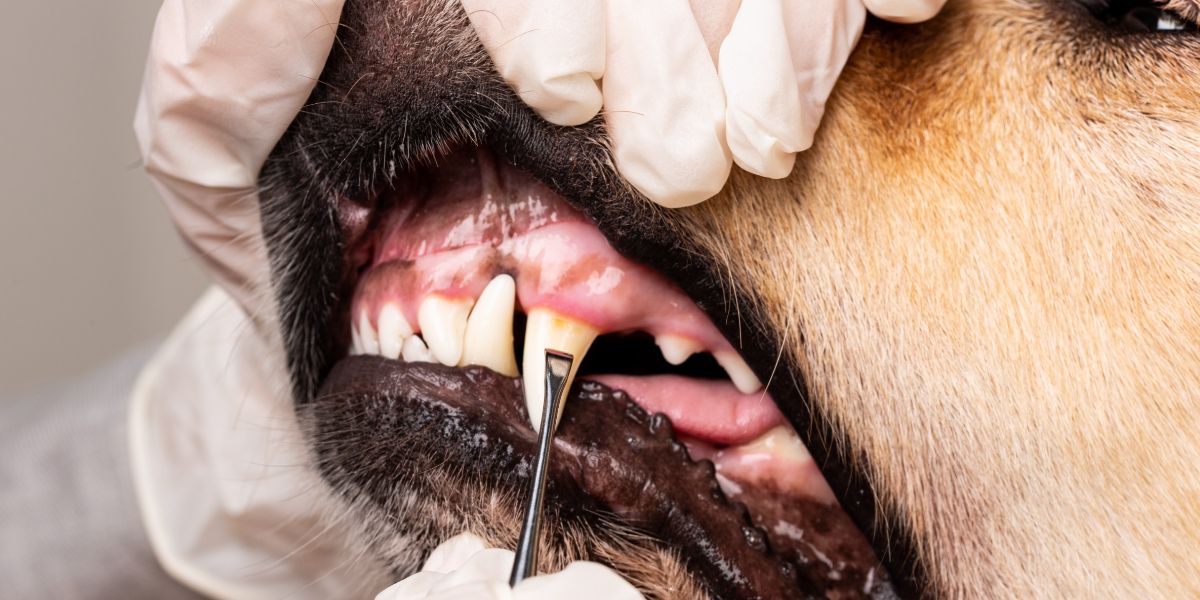
Fresh breath is not something most people associate with dogs or cats, yet the condition of a pet’s mouth says more about overall health than many owners realize. I have looked into my dog’s eyes countless times without thinking much about his teeth, only to later recognize how closely oral care connects to the rest of his body. Teeth and gums rarely demand attention loudly, but they quietly influence comfort, appetite, and long-term wellness.
Routine feeding, walks, grooming, and playtime often take priority in daily care. Brushing fur feels more urgent than brushing teeth, and trimming nails is easier to remember than checking gum color. Over time, I realized that ignoring oral hygiene does not make the risk disappear. It simply delays consequences until they are harder and more expensive to manage.
Dental health: the overlooked part of pet care deserves more space in everyday conversations about responsible ownership. Once I began paying closer attention, I saw how many subtle signs I had missed in the past. That awareness reshaped how I handle preventive care in my home.
Why Oral Health Impacts The Entire Body
The mouth serves as a gateway to internal systems. Bacteria that accumulate along the gumline do not stay confined to teeth. If left untreated, they can enter the bloodstream and travel to organs such as the heart, liver, and kidneys.
I used to think plaque was a cosmetic issue, similar to minor staining. Over time, I learned that hardened tartar can lead to periodontal disease, which involves inflammation and infection beneath the gumline. That infection can compromise overall health in ways that are not immediately obvious.
Veterinarians often emphasize that dental disease is one of the most common conditions in adult pets. Hearing that statistic changed my mindset completely. Oral hygiene shifted from an optional extra to a core component of preventive care.
The Silent Progression Of Periodontal Disease
Dental problems rarely begin with dramatic symptoms. Plaque forms daily from food particles and bacteria mixing with saliva. If not removed, it hardens into tartar within a short period.
As tartar builds, gums become irritated and inflamed. I have seen mild redness transform into swelling and bleeding when left unaddressed. The progression can move beneath the gumline, where damage becomes less visible but more severe.
Pets often continue eating despite discomfort, which makes it easy to overlook pain. By the time obvious signs appear, significant tissue damage may already have occurred. That silent development explains why dental health: the overlooked part of pet care remains such a widespread issue.
Recognizing Early Warning Signs
Bad breath is usually the first clue. While no pet has minty freshness, a strong foul odor can signal bacterial overgrowth. I began paying closer attention to subtle changes in scent rather than dismissing them as normal.
Other signs include red or swollen gums, yellow or brown buildup on teeth, and reluctance to chew hard treats. Dropping food, pawing at the mouth, or excessive drooling can also indicate discomfort. Observing these behaviors early allows for quicker intervention.
Regularly lifting my pet’s lips to examine teeth felt awkward at first. Over time, it became a simple routine that takes only seconds. That small habit helps me catch issues before they escalate.
Daily Brushing And At-Home Care
Brushing remains the gold standard for preventing plaque accumulation. Introducing a toothbrush gradually makes the process less stressful. I started by letting my dog taste pet-safe toothpaste before attempting any brushing motion.
Short sessions work better than long struggles. Gently focusing on the outer surfaces of teeth is usually sufficient, as the tongue helps clean inner surfaces naturally. Consistency matters more than perfection.
Dental wipes, water additives, and specialized chews can supplement brushing. While they do not replace mechanical cleaning entirely, they provide additional support. Incorporating these tools into a routine reinforces oral health without overwhelming either of us.
Professional Dental Cleanings
At-home care cannot remove hardened tartar once it forms. Professional cleanings performed under anesthesia allow veterinarians to scale beneath the gumline. I initially felt nervous about anesthesia, but discussing risks and benefits eased my concerns.
Dental procedures often include full oral examinations and sometimes X-rays. These images reveal hidden damage below the surface. Discovering issues early prevents more invasive treatments later.
Scheduling periodic professional cleanings is part of maintaining dental health: the overlooked part of pet care. The frequency depends on breed, size, and individual susceptibility. Smaller dogs often require more frequent cleanings due to crowded teeth.
Breed And Size Considerations
Toy and small breeds tend to experience dental disease earlier than larger dogs. Their teeth are packed into smaller mouths, which encourages plaque buildup. I have noticed that friends with small companion breeds face dental procedures more frequently.
Flat-faced breeds may also encounter unique challenges due to jaw structure. Misalignment can trap food particles and accelerate tartar formation. Recognizing breed-specific tendencies allows for tailored prevention strategies.
Cats are not exempt from dental problems. Feline oral health issues can develop quietly, especially in indoor cats whose diet remains consistent. Regular checks remain essential regardless of species.
Diet And Its Influence On Oral Health
Food texture and composition influence plaque accumulation. Dry kibble may provide mild abrasive action, though it does not replace brushing. Specialized dental diets are formulated to reduce tartar buildup.
I pay attention to ingredient quality as well. Balanced nutrition supports gum tissue and immune response. Sugary treats and table scraps contribute to bacterial growth, which accelerates dental problems.
Chew toys designed to promote oral health can help remove surface debris. Supervision is important to prevent choking hazards or tooth fractures. Selecting appropriate products enhances safety and effectiveness.
Pain Management And Quality Of Life
Untreated dental disease causes significant pain. Pets rarely vocalize that discomfort clearly. Subtle signs such as decreased playfulness or irritability may stem from oral soreness.
I once noticed my dog favoring one side while chewing. That small detail led to a veterinary visit that revealed an infected tooth. Addressing the issue restored his energy and appetite quickly.
Relieving oral pain improves overall quality of life. Appetite returns, mood stabilizes, and activity levels increase. Dental health: the overlooked part of pet care directly affects daily happiness.
Financial Considerations And Prevention
Professional dental procedures can be costly, especially if extractions are required. Preventive care reduces the likelihood of advanced disease. Budgeting for routine cleanings avoids sudden financial strain.
Pet insurance policies sometimes cover dental procedures, depending on the plan. Reviewing coverage details ahead of time helps set realistic expectations. Planning ahead supports responsible ownership.
Investing in prevention proves more affordable than treating severe infections or systemic complications. Small daily efforts often prevent large expenses later.
Building A Positive Routine
Introducing oral care early makes long-term maintenance easier. Puppies and kittens adapt quickly when dental handling becomes part of their normal routine. Patience and positive reinforcement encourage cooperation.
Rewarding calm behavior with praise or small treats reinforces trust. Gradual exposure prevents fear from developing. Consistency transforms brushing from a chore into a manageable habit.
Dental health: the overlooked part of pet care becomes far less intimidating once integrated into daily life. Familiarity reduces resistance for both pet and owner.
The Connection Between Dental And Systemic Disease
Chronic oral inflammation can influence systemic conditions. Studies have linked periodontal disease with heart and kidney issues in animals. Bacteria entering the bloodstream can create complications beyond the mouth.
I take this connection seriously because outward symptoms may not reflect internal damage. Addressing gum disease early limits bacterial spread. Preventive dental care becomes part of protecting organ health.
Monitoring overall wellness alongside oral hygiene ensures comprehensive care. Regular veterinary exams support this integrated approach.
Senior Pets And Special Attention
Older pets often face increased dental challenges. Years of plaque accumulation can lead to tooth loss and chronic inflammation. I schedule more frequent oral evaluations as my pets age.
Anesthesia risks may rise slightly in senior animals, but untreated infection also carries significant danger. Veterinarians conduct pre-anesthetic screenings to minimize complications. Balanced decision-making prioritizes comfort and longevity.
Senior pets benefit greatly from attentive oral management. Pain relief and infection control enhance their remaining years significantly.
Final Thoughts
Oral hygiene deserves equal attention alongside nutrition, exercise, and vaccinations. Dental health: the overlooked part of pet care influences far more than breath freshness. It affects comfort, organ function, and overall vitality.
Daily brushing, routine veterinary cleanings, and early recognition of warning signs form the foundation of effective prevention. Small, consistent actions protect against silent progression of disease. Staying proactive spares pets from unnecessary pain and preserves long-term health.
Taking oral care seriously reshaped how I care for my animals. By prioritizing dental wellness, I support not only their smiles but their entire well-being for years to come.
