
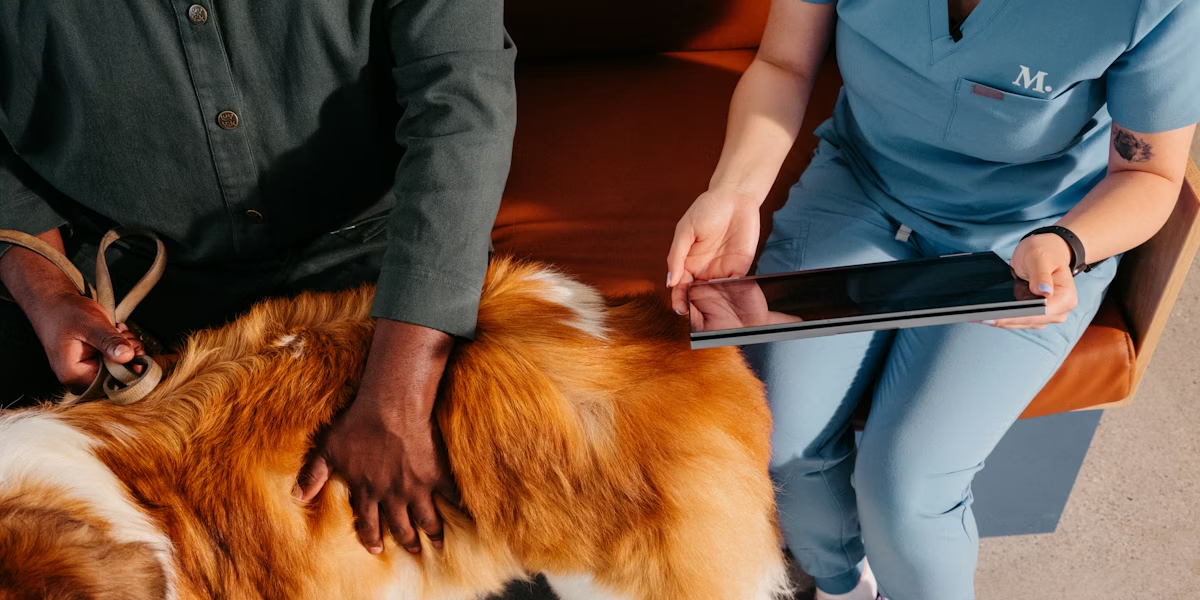
My dog has a way of looking perfectly healthy right up until the moment he is not. That reality has shaped how I think about veterinary care over the years. Regular checkups are not just about vaccines or paperwork; they are about staying ahead of problems before they turn into something serious.
Many pet owners wrestle with the same question at some point: how often is often enough? The answer is not identical for every animal, yet there are reliable guidelines that have helped me make informed decisions. Age, breed, lifestyle, and existing health conditions all play a role in shaping a sensible schedule.
In my experience, waiting for visible symptoms before booking an appointment is rarely the best strategy. Animals instinctively mask discomfort, which means underlying issues can quietly develop without obvious warning signs. That is why routine visits are more than a formality; they are a proactive investment in long-term health.
Vet Visits During Puppy and Kitten Stages
The first year of a pet’s life tends to involve the most frequent trips to the clinic. Puppies and kittens require a series of vaccinations spaced weeks apart, along with deworming and general wellness checks. During this stage, I find myself visiting the vet every three to four weeks until the initial vaccine schedule is complete.
These early appointments do more than protect against infectious diseases. They allow the veterinarian to track growth, monitor weight gain, and catch congenital issues that might not be obvious at home. I appreciate having professional reassurance that development is on track.
Behavioral guidance also plays a role during this phase. Questions about nutrition, teething, socialization, and spaying or neutering naturally arise. Regular visits in the first year build a medical history that becomes valuable later on.
Adult Pets and Annual Checkups
Once my pet reaches adulthood, the frequency of visits usually decreases. For a healthy adult dog or cat with no chronic conditions, one comprehensive wellness exam per year is generally recommended. That yearly appointment acts as a reset point, where I can review diet, exercise, dental health, and preventive care.
An annual visit often includes a physical exam, weight check, and updates on vaccinations as needed. Some veterinarians recommend routine bloodwork even for healthy adults, which can reveal subtle internal changes before symptoms appear. I have found that baseline lab results are incredibly useful if a problem arises later.
Many people ask how often should you visit the vet if your pet seems perfectly fine. My answer is simple: at least once a year for adults. That consistent schedule provides peace of mind and helps detect silent issues such as early kidney changes or mild thyroid imbalances.
Senior Pets Need Closer Monitoring
As pets age, their needs shift in noticeable ways. My older dog slowed down gradually, and I realized that annual visits no longer felt sufficient. Senior pets, typically those over seven years old depending on breed, benefit from exams every six months.
Twice-yearly visits allow for earlier detection of arthritis, dental disease, organ decline, and metabolic conditions. Aging bodies change more quickly, and six months can make a significant difference in diagnosis and treatment outcomes. I have seen firsthand how catching a condition early can improve both quality of life and longevity.
Bloodwork, urine analysis, and blood pressure checks often become routine during these visits. While it may feel excessive at first, these screenings provide valuable insight into internal health. In the senior years, how often should you visit the vet becomes less about routine and more about vigilance.
Pets With Chronic Conditions
Some animals require more frequent monitoring due to ongoing medical issues. If a pet has diabetes, heart disease, allergies, or thyroid disorders, appointments may be scheduled every three to six months. Medication adjustments and lab testing are part of maintaining stability.
I once cared for a pet with a chronic condition that demanded regular blood tests. Those repeated visits felt inconvenient at times, but they prevented complications and allowed the veterinarian to fine-tune treatment. Consistency made a measurable difference.
In these cases, the question of how often should you visit the vet depends on the condition and the treatment plan. Following professional guidance closely can prevent setbacks and emergency situations.
Dental Care and Its Role in Vet Visits
Dental health is frequently underestimated in pets. Tartar buildup and gum disease can progress silently until pain or infection becomes severe. My veterinarian checks teeth during each wellness exam, but sometimes professional cleanings are recommended more often.
For some pets, a dental cleaning every one to two years is sufficient. Others, especially smaller dog breeds, may need more frequent attention. Ignoring oral health can lead to systemic infections that affect the heart, liver, and kidneys.
I have learned that dental evaluations are part of the broader conversation about how often should you visit the vet. Oral care is not cosmetic; it is deeply tied to overall health.
Lifestyle Factors That Influence Frequency
A pet’s environment and daily routine influence how often veterinary care is necessary. Dogs that frequent dog parks, boarding facilities, or travel often may require additional vaccinations or health certificates. Outdoor cats face different risks compared to indoor-only companions.
Parasite prevention is another consideration. Pets exposed to ticks, fleas, or heartworm-carrying mosquitoes may need regular testing and preventive medication. My lifestyle choices for my pet directly shape the healthcare plan we follow.
If your pet lives in an area with specific regional risks, your veterinarian may recommend a customized schedule. That is why the answer to how often should you visit the vet is never completely one-size-fits-all.
Subtle Signs That Warrant an Extra Visit
Routine visits form the foundation of preventive care, but unexpected changes should prompt additional appointments. Loss of appetite, sudden weight loss, persistent coughing, vomiting, or behavioral shifts are not issues to wait out indefinitely.
I trust my instincts when something feels off. Familiarity with my pet’s normal patterns helps me detect deviations quickly. Acting early often means simpler treatment and less stress for everyone involved.
Emergency visits differ from scheduled checkups, yet they are part of responsible ownership. While no one wants surprise medical bills, ignoring symptoms can lead to far greater costs and complications.
The Value of Building a Relationship With Your Vet
Consistent visits foster trust between pet owner and veterinarian. I value having a professional who knows my pet’s history and temperament. That familiarity speeds up diagnosis and reduces anxiety during appointments.
My pet also benefits from recognizing the clinic environment. Regular exposure makes visits less intimidating and improves cooperation during exams. Comfort grows with repetition.
Open communication strengthens this relationship. Asking questions about diet, exercise, behavior, and preventive measures makes each appointment more productive. Veterinary care works best when it feels collaborative rather than transactional.
Financial Planning for Routine Care
Cost often influences how often pet owners schedule appointments. Budgeting for annual or semiannual exams prevents financial strain later. I set aside funds specifically for routine veterinary care because prevention is generally less expensive than emergency treatment.
Pet insurance can also ease the burden, depending on the policy. Some plans cover wellness visits and diagnostics, while others focus solely on emergencies. Exploring options ahead of time reduces stress during unexpected situations.
Delaying routine visits to save money can backfire. Early detection frequently leads to less invasive and more affordable interventions. Financial preparation supports responsible decision-making.
Vaccination Schedules and Booster Timing
Vaccines are an essential component of preventive care, but not all require annual boosters. Some core vaccines last multiple years after the initial series. My veterinarian reviews my pet’s history and recommends boosters based on risk factors.
Non-core vaccines depend on lifestyle and exposure. Dogs that interact with others frequently may require additional protection. Cats with outdoor access face different risks than indoor companions.
Clarifying vaccine timing is part of determining how often should you visit the vet. A personalized schedule ensures protection without unnecessary repetition.
Preventive Testing and Screening
Routine bloodwork and diagnostic tests may seem excessive for healthy pets, yet they provide valuable baseline data. Comparing current results to previous ones helps identify subtle trends. I appreciate having objective measurements alongside physical exams.
Fecal exams, heartworm tests, and urinalysis often accompany annual visits. These screenings detect parasites and infections before symptoms appear. Early detection means simpler treatment.
As pets age, more comprehensive panels become advisable. Preventive testing shifts from optional to essential in senior years.
Travel, Boarding, and Special Circumstances
Life events sometimes require extra veterinary documentation. Boarding facilities often request proof of vaccinations and recent health checks. International travel involves additional certifications and sometimes specific timelines.
Planning ahead prevents last-minute stress. I schedule appointments well before travel dates to ensure all requirements are met. This proactive approach avoids rushed decisions.
Special circumstances such as adoption, introducing a new pet, or relocating to a different climate may also justify additional visits. Each transition brings new variables that affect health and safety.
Trusting Patterns Over Assumptions
Over time, I have realized that consistency is more important than perfection. Missing one routine visit is not catastrophic, but making it a habit can lead to overlooked issues. Pets age faster than humans, which means health changes can occur quickly.
Establishing a predictable rhythm of care simplifies the question of how often should you visit the vet. For most healthy adults, once a year is the minimum. Seniors and pets with medical conditions benefit from more frequent monitoring.
Paying attention to subtle shifts between appointments ensures that routine care remains effective. Observing behavior, appetite, and energy levels bridges the gap between visits.
Final Thoughts
Regular veterinary care is not just about reacting to illness. It is about preventing problems, tracking changes, and maintaining a clear picture of overall health. My experience has shown that structured, consistent checkups lead to better outcomes and fewer emergencies.
The answer to how often should you visit the vet depends on age, health status, and lifestyle. Puppies and kittens require frequent visits in their first year, healthy adults typically need annual exams, and seniors benefit from semiannual checkups. Pets with chronic conditions may need even closer monitoring.
Prioritizing routine care strengthens the bond between pet owner and veterinarian while safeguarding the well-being of the animal. Staying proactive rather than reactive allows me to provide the level of care my pet deserves.
