
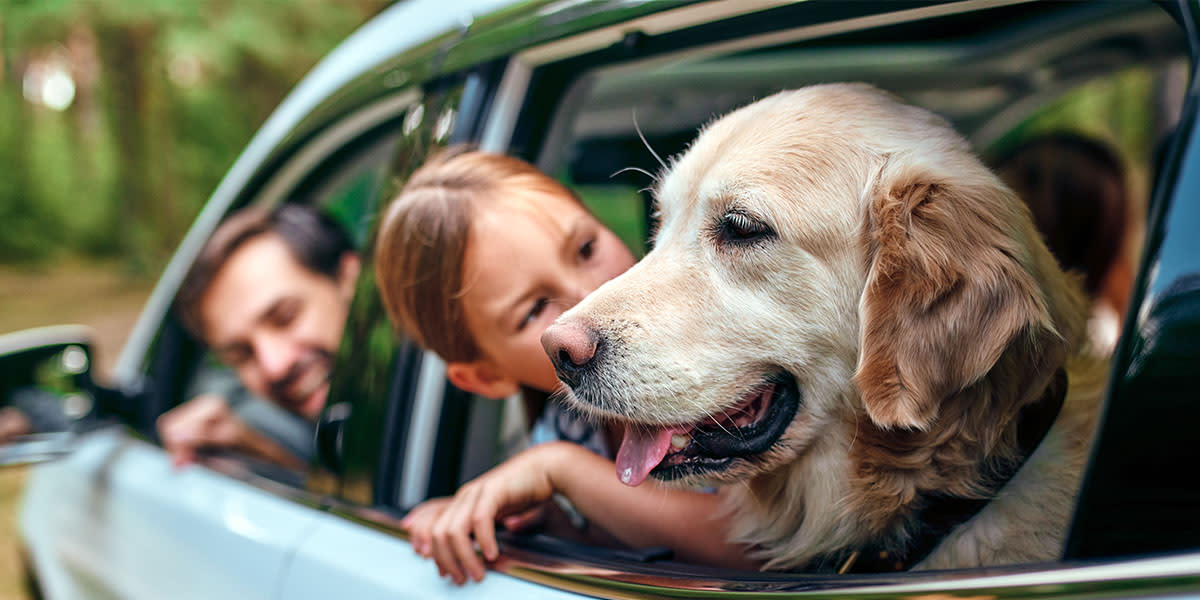
Road trips, weekend getaways, and even simple visits to family feel different once a dog becomes part of my life. My plans no longer revolve solely around packing clothes and booking accommodation. I have to think about comfort, safety, routine, and how unfamiliar environments might affect my dog’s behavior. A successful trip depends on preparation long before the engine starts.
Traveling safely with your dog requires more than tossing a leash in the back seat. Dogs experience stress, motion sickness, excitement, and fatigue just like humans do. Without a solid plan, a fun adventure can quickly turn chaotic. I have learned that careful preparation transforms travel from a gamble into a manageable, even joyful experience.
Preparing for the Trip in Advance
Preparation begins days or even weeks before departure. I schedule a quick veterinary check if the trip is long or involves crossing regions, especially if vaccinations or preventive medications need updating. Having health records accessible gives me confidence in case an emergency arises.
Identification is non-negotiable. My dog wears a secure collar with updated tags, and I double-check that microchip information is current. Travel increases the risk of separation, and accurate identification significantly improves the chance of reunion.
I also take time to familiarize my dog with travel gear ahead of time. Whether it is a crate, harness, or car seat barrier, gradual exposure reduces anxiety. Traveling safely with your dog starts long before the road unfolds in front of us.
Securing Your Dog in the Vehicle
A loose dog inside a moving vehicle poses serious risks. Sudden stops can cause injury, and distractions can lead to accidents. I use a crash-tested harness secured to the seatbelt system or a properly sized crate anchored in place.
The crate must allow enough room for standing and turning, but not so much space that my dog slides during turns. Ventilation is crucial, especially in warm climates. Comfort matters, but stability matters more.
Allowing a dog to sit on my lap while driving is never worth the risk. Even short trips require proper restraint. Traveling safely with your dog means treating them as a passenger who deserves protection.
Managing Motion Sickness and Anxiety
Some dogs struggle with motion sickness, particularly during their first few trips. I watch for drooling, whining, restlessness, or vomiting. Gradual desensitization through short practice drives can help reduce discomfort.
Feeding smaller meals several hours before departure minimizes nausea. I avoid heavy feeding right before leaving, even if my dog begs. In more severe cases, I consult a veterinarian about safe medication options.
Anxiety often improves when familiar items are present. A favorite blanket or toy can provide reassurance. Predictability and calm energy from me also make a difference.
Packing a Dedicated Travel Kit
Packing for my dog is as detailed as packing for myself. I bring enough food for the entire trip plus extra in case of delays. Sudden diet changes can upset digestion, especially in unfamiliar surroundings.
Water from home can prevent stomach upset if local water differs significantly. Portable bowls, waste bags, grooming wipes, and a basic first aid kit go into a separate travel bag. Having supplies organized avoids frantic searches later.
Traveling safely with your dog depends on anticipating needs before they become urgent. Preparation saves time and reduces stress.
Planning Regular Breaks
Long stretches in the car are exhausting for both of us. I schedule breaks every few hours to allow bathroom trips, stretching, and hydration. These pauses prevent restlessness and improve circulation.
I always keep my dog leashed during stops, even in areas that appear quiet. Unfamiliar environments can trigger unpredictable reactions. A secure leash ensures safety while still allowing exploration.
Breaks also give me a chance to assess my dog’s comfort level. Checking paws, offering water, and observing behavior helps me catch potential problems early.
Avoiding Heat-Related Dangers
Vehicles can become dangerously hot within minutes, even on mild days. I never leave my dog alone in a parked car, regardless of cracked windows or shaded parking spots. The risk is simply too high.
If I need to stop somewhere that does not allow dogs inside, I adjust my plans or ensure someone stays with the vehicle while climate control runs safely. Heatstroke develops quickly and can be fatal.
Traveling safely with your dog includes constant awareness of temperature. Prevention is far easier than emergency response.
Booking Pet-Friendly Accommodations
Not all accommodations truly welcome dogs, even if they claim to. I research policies carefully, noting size restrictions, additional fees, and designated pet areas. Reviews from other pet owners provide valuable insight.
Upon arrival, I inspect the room for hazards such as exposed wires or accessible trash bins. I designate a specific area for my dog’s bed and belongings to create a sense of stability.
Maintaining good etiquette protects future access for pet owners. Cleaning up after my dog and minimizing noise ensures positive experiences for everyone.
Maintaining Familiar Routines
Dogs thrive on routine, and travel disrupts their usual rhythm. I try to maintain consistent feeding times and daily walks. Even small efforts to replicate home routines reduce confusion.
Morning and evening rituals, such as quiet cuddle time or brief training sessions, help reinforce normalcy. Familiar structure eases anxiety in unfamiliar places.
Traveling safely with your dog is not only about physical safety. Emotional stability matters just as much.
Navigating Air Travel
Flying with a dog introduces additional considerations. I research airline policies thoroughly, paying close attention to crate requirements and documentation. Advance booking is often necessary due to limited pet spaces.
For small dogs traveling in-cabin, a well-ventilated carrier that fits under the seat is essential. Larger dogs traveling in cargo require careful preparation to ensure comfort and safety.
Direct flights reduce stress by minimizing handling and transfers. I also attach clear identification and contact information to the crate.
Exploring New Environments Responsibly
Arriving at a new destination often brings exciting smells and sights. I resist the urge to let my dog roam freely immediately. Controlled introductions to new spaces prevent overwhelm.
Leash walks allow gradual familiarization. I observe how my dog reacts to unfamiliar sounds, wildlife, or crowds. If signs of stress appear, I shorten the outing and return to a calmer setting.
Traveling safely with your dog involves respecting their limits. Not every dog enjoys bustling markets or crowded beaches.
Protecting Against Local Hazards
Different regions present different risks. Ticks, unfamiliar plants, or extreme weather can pose threats. I research potential hazards at my destination before leaving home.
Preventive treatments for fleas, ticks, or heartworm should be current. I also check paws regularly after hikes or walks on rough terrain. Small injuries can escalate if unnoticed.
Preparedness builds confidence. Anticipating environmental risks makes the trip smoother for both of us.
Handling Emergencies on the Road
Emergencies can happen anywhere. I locate nearby veterinary clinics at my destination ahead of time. Having contact numbers saved in my phone saves precious minutes during a crisis.
A basic canine first aid kit travels with us. Items such as bandages, antiseptic wipes, and tweezers can address minor injuries until professional care is available.
Traveling safely with your dog includes planning for worst-case scenarios without dwelling on them. Awareness replaces panic.
Encouraging Calm Behavior
Excitement often runs high during travel. I reinforce calm behavior with quiet praise and occasional treats. Overstimulation can lead to barking or restlessness, so balanced energy is key.
Mental enrichment helps during downtime. Puzzle toys or simple obedience exercises channel focus constructively. Structured engagement prevents boredom in hotel rooms or campsites.
Consistency in expectations reduces confusion. Clear boundaries remain in place even when the environment changes.
Camping and Outdoor Adventures
Camping trips add unique challenges. I ensure my dog remains on a secure leash or long line at all times. Wildlife encounters can happen quickly and unpredictably.
Proper shelter protects against rain, wind, and insects. I bring a comfortable sleeping pad to insulate against cold ground. Hydration becomes even more important during active outdoor days.
Traveling safely with your dog in natural settings requires vigilance. Respecting nature includes protecting my companion from preventable risks.
Returning Home Smoothly
After a trip, reintegration into normal routines matters. I monitor my dog for signs of fatigue or stress and allow extra rest time. Returning gradually to usual schedules eases the transition.
Unpacking includes cleaning travel gear and replenishing supplies. Reflecting on what worked well and what needs adjustment improves future trips.
Each journey teaches me something new about my dog’s preferences and limits.
Final Thoughts
Traveling safely with your dog demands preparation, flexibility, and constant awareness. I have discovered that thoughtful planning transforms potential stress into shared adventure. Safety measures, consistent routines, and respect for my dog’s emotional needs form the backbone of successful travel.
Adventures become far more meaningful when my dog can join confidently and comfortably. With careful attention to detail and a willingness to adapt, traveling safely with your dog becomes not just possible but deeply rewarding.
