
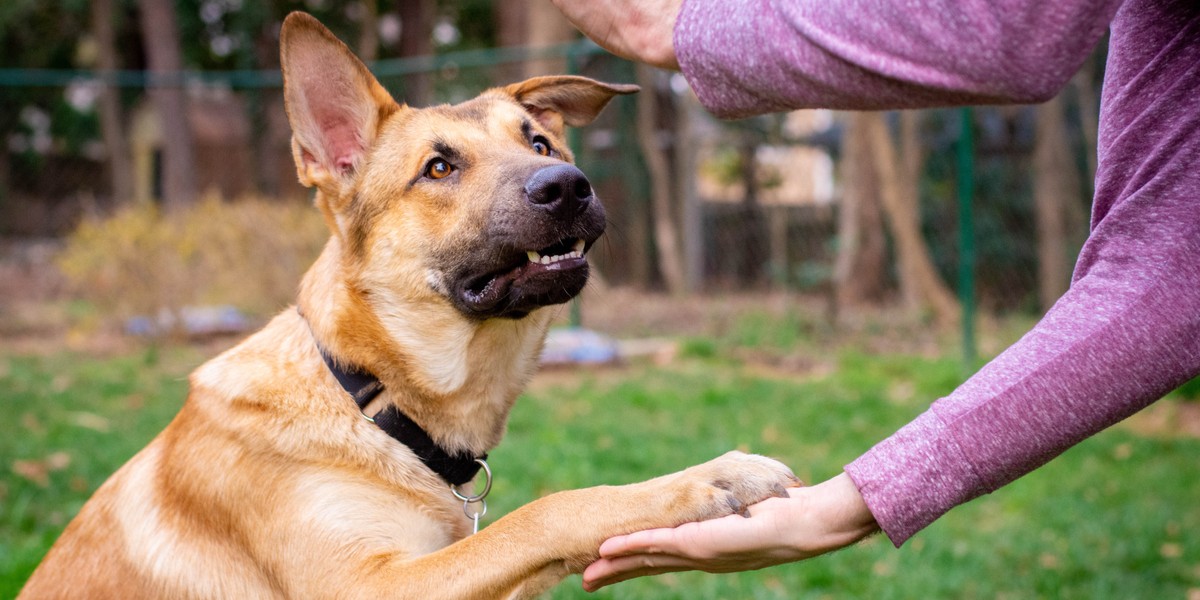
Bringing a rescue dog into my home has always felt like opening a book with the first chapters missing. I may not know the lineage, the early environment, or the exact mix of breeds, yet the clues are there if I take the time to notice them. Living closely with a dog whose background is a mystery forces me to pay attention in ways I might not with a purebred whose traits are already outlined in a standard.
The process of figuring out what makes a rescue dog tick is both practical and deeply personal. How to identify unknown breed traits in rescue dogs is not about labeling them for the sake of curiosity alone, but about meeting their needs more effectively. By observing patterns in behavior, physical structure, and instinctive reactions, I start piecing together a clearer picture of who they are and what they might need from me.
Start With Physical Clues
Body structure often offers the first hints. I look at the shape of the muzzle, the set of the ears, the length of the legs, and the overall build. A deep chest and long legs might suggest influence from a running or working breed, while a stockier frame could point toward something built for strength rather than speed.
Coat type also speaks volumes. A double coat with seasonal shedding may indicate ancestry from colder climates, while a wiry coat could hint at terrier roots. Texture, thickness, and even the way the fur lies along the body can suggest specific functional backgrounds.
Tail carriage and shape sometimes provide subtle clues as well. A tightly curled tail might reflect spitz-type heritage, while a long, whip-like tail could be common among herding or sporting breeds. None of these signs are definitive on their own, but together they begin to form a pattern.
Observe Natural Instincts
Behavior often reveals more than appearance. I pay close attention to what the dog does spontaneously, without prompting or training. A dog that circles and attempts to gather children or other pets might have herding instincts bubbling to the surface.
Chasing small animals with laser focus could signal hunting ancestry. Even the way a dog plays can offer insight. Some prefer to stalk and pounce, while others enjoy tugging, wrestling, or retrieving objects repeatedly.
How to identify unknown breed traits in rescue dogs becomes clearer when I observe them in different settings. At the park, on a walk, or in the backyard, their instincts tend to show up in small but consistent ways. These behaviors often feel automatic, as if wired into them rather than taught.
Energy Levels And Stamina
Energy level provides another strong indicator. Some rescue dogs seem ready to move all day, pacing, exploring, and seeking stimulation. Others are content with moderate activity and long stretches of rest.
I notice how quickly a dog recovers after exercise. High-endurance breeds typically bounce back rapidly and may appear restless if their needs are not met. Lower-energy dogs often settle down easily once their basic activity requirement is satisfied.
Stamina during long walks or hikes can hint at working or sporting lineage. A dog that thrives on extended physical challenges may have ancestry rooted in labor-intensive roles. Paying attention to these patterns helps me tailor routines that prevent frustration and boredom.
Reactions To Strangers And New Situations
Temperament around unfamiliar people and environments can also offer clues. Some dogs greet strangers enthusiastically, while others remain cautious and reserved. That initial response may reflect breed tendencies shaped over generations for guarding, companionship, or independent work.
A dog that positions itself between me and a newcomer might carry protective instincts. Conversely, one that eagerly seeks attention from everyone may descend from breeds developed for close human interaction.
Environmental sensitivity is another factor. Loud noises, crowded spaces, or sudden changes in routine can trigger strong reactions in certain dogs. Noting these responses helps me understand whether I am dealing with a naturally vigilant temperament or one shaped by past experiences.
Vocalization Patterns
The way a dog communicates vocally can be revealing. Some breeds are known for frequent barking, while others are more selective with their voice. I listen to the tone, frequency, and triggers for vocalization.
A dog that bays or produces a distinctive howl might have hound ancestry. Short, sharp barks directed at movement outside the window could suggest guarding tendencies. Silence in situations that might prompt other dogs to bark can also be telling.
How to identify unknown breed traits in rescue dogs sometimes requires living with them long enough to hear their full range of sounds. Over time, patterns emerge that feel less random and more rooted in instinct.
Play Style And Toy Preferences
Play provides a safe window into a dog’s inner wiring. Some dogs are obsessed with retrieving balls, bringing them back tirelessly as if fulfilling a lifelong mission. That relentless retrieve drive often hints at sporting or retrieving breeds.
Others prefer tug-of-war, gripping toys with determination and shaking them side to side. This behavior can reflect terrier or bully-type ancestry, where grip strength and tenacity were valued traits.
A dog that enjoys digging may carry instincts linked to burrowing breeds. Watching what brings genuine excitement, rather than what I encourage, helps me see which behaviors are intrinsic rather than learned.
Sensitivity To Training
Training sessions reveal another layer of insight. Certain dogs respond quickly to cues, eagerly seeking guidance and structure. This responsiveness may reflect herding or working breed heritage, where close cooperation with humans was essential.
Other dogs exhibit more independent thinking. They might understand a command but weigh whether it is worth complying. That trait does not indicate stubbornness in a negative sense, but rather a history of breeds that worked autonomously.
Consistency in attention span also matters. A dog that becomes bored quickly might need shorter, more engaging sessions. Observing these nuances helps me adjust my training style to align with natural tendencies rather than fighting against them.
Social Dynamics With Other Dogs
Interactions with other dogs can highlight breed influences. Some dogs instinctively take on leadership roles, while others prefer to follow. Play bows, chase patterns, and even body posture during greetings can hint at underlying traits.
Herding-type behaviors sometimes surface in group settings, with a dog attempting to control movement. Conversely, breeds developed for pack hunting may display strong social bonds and cooperative play styles.
How to identify unknown breed traits in rescue dogs often involves visiting safe, supervised dog environments. Watching their body language in these situations provides context that daily home life might not reveal.
Grooming Needs And Coat Maintenance
Grooming requirements can offer indirect clues about ancestry. A thick undercoat that sheds heavily during seasonal changes suggests adaptation to colder climates. Low-shedding coats with continuous growth may indicate breeds that historically required regular trimming.
Water-resistant fur that dries quickly could hint at aquatic working backgrounds. Even skin sensitivity or specific coat patterns sometimes align with certain breed groups.
Recognizing these needs ensures proper care. If a dog’s coat mats easily, regular brushing becomes essential. Aligning grooming routines with potential breed traits prevents discomfort and maintains overall health.
Health Patterns And Physical Limitations
Certain physical traits correlate with common health tendencies. A broad chest and muscular build might suggest breeds prone to joint strain if overexerted. Short muzzles can indicate potential breathing sensitivities.
Long backs combined with short legs may require attention to spinal health. While guessing breed from health alone is unreliable, patterns sometimes reinforce other observations.
I never rely solely on visual assessment for health assumptions. Veterinary guidance remains crucial. Still, noticing how a dog moves, rests, and handles physical stress helps me anticipate needs tied to possible ancestry.
The Role Of DNA Testing
Modern DNA tests provide another layer of information. While not perfect, they can confirm suspicions or reveal unexpected mixes. Results sometimes surprise me, especially when physical appearance suggests one lineage and genetics point elsewhere.
Even with DNA data, personality remains influenced by more than breed percentages. How to identify unknown breed traits in rescue dogs extends beyond a printed report. The test offers context, but daily behavior still tells the deeper story.
I view DNA testing as a tool rather than a final verdict. It can guide expectations, but it does not replace hands-on observation and relationship building.
Environmental Influence And Past Experience
Rescue dogs often carry histories that shape behavior independently of breed. Trauma, neglect, or inconsistent care can amplify or mask natural tendencies. A naturally social breed may appear withdrawn if trust was previously broken.
Time and patience gradually reveal which behaviors stem from instinct and which from past circumstances. As confidence grows, innate traits often become more visible.
This complexity reminds me that breed identification is only part of the equation. Personality emerges at the intersection of genetics and lived experience. Recognizing that balance prevents oversimplification.
Building A Practical Profile
Instead of obsessing over exact breed labels, I focus on building a practical profile. I document energy levels, triggers, preferences, and stress signals. Over weeks and months, patterns solidify into a clearer understanding.
How to identify unknown breed traits in rescue dogs becomes less about solving a puzzle for curiosity and more about meeting tangible needs. If a dog thrives on structured tasks, I incorporate them. If guarding instincts appear, I manage social situations carefully.
This approach shifts attention from guessing ancestry to enhancing daily life. The more I observe, the more tailored my care becomes.
Patience As A Key Tool
Rushing conclusions rarely helps. Dogs reveal themselves gradually, especially those adjusting to new homes. Initial shyness or hyperactivity may settle once stability is established.
I give space for personality to unfold without forcing a narrative onto it. Over time, consistent behaviors stand out against temporary stress responses.
Patience allows the true mix of instincts and learned behaviors to surface. That clarity supports better training, stronger bonds, and a more harmonious household.
Final Thoughts
Mystery surrounds many rescue dogs, but that mystery does not have to remain impenetrable. Physical traits, instinctive behaviors, energy patterns, and social dynamics all offer valuable clues. By paying attention and remaining flexible, I build an informed picture that guides care and training.
How to identify unknown breed traits in rescue dogs is less about satisfying curiosity and more about honoring individuality. Breed influence matters, yet it is only one piece of a larger story. Through careful observation and patience, I uncover the traits that truly define the dog in front of me, allowing us to thrive together.
