
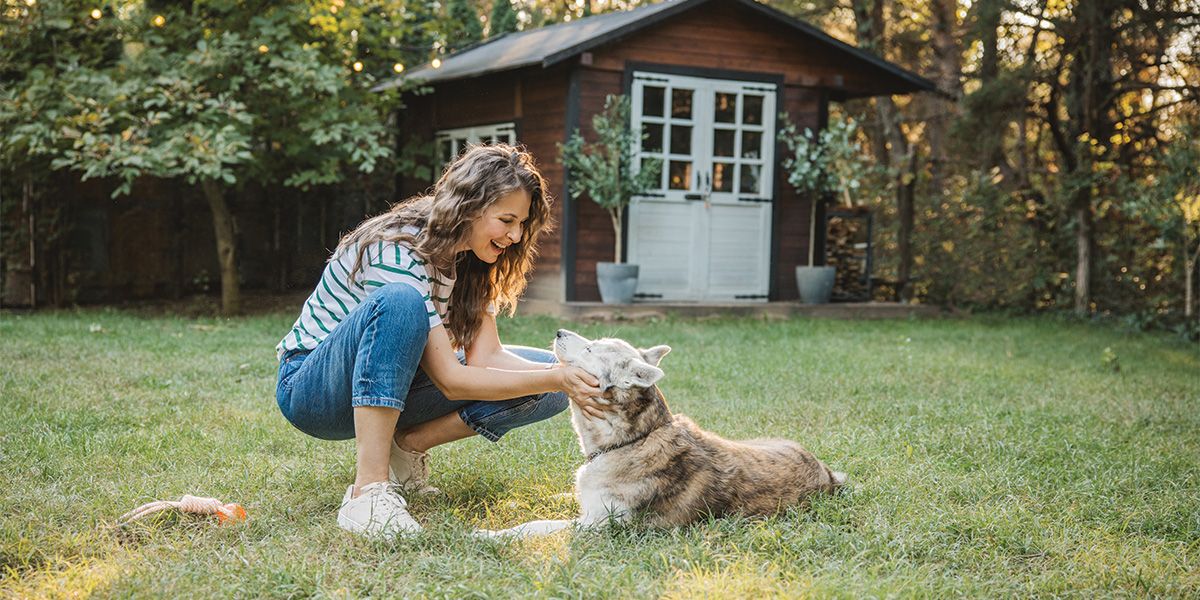
Sharing my home with more than one animal has brought incredible joy, but it has also tested my patience and awareness in ways I did not expect. Different personalities, energy levels, and instincts collide under one roof, and harmony does not happen automatically. Peace requires structure, observation, and consistent effort on my part. Without guidance, even the most lovable pets can slip into rivalry or tension.
Multi-pet households: keeping the peace is not about forcing friendships or expecting constant cuddling between animals. It is about building an environment where each pet feels secure, valued, and respected. I have learned that conflict often stems from competition, confusion, or unmet needs rather than true aggression. When I focus on prevention instead of reaction, my home feels calmer and far more balanced.
Establishing Clear Territory
Animals thrive when they know what space belongs to them. In my home, I designate specific sleeping areas, feeding spots, and retreat zones for each pet. This reduces confusion and prevents subtle power struggles from developing over prime real estate.
Separate beds placed in quiet corners allow individual downtime. Even pets that enjoy each other’s company benefit from having personal space. A safe retreat can prevent minor irritation from escalating into confrontation.
Territory also extends vertically, especially in households with cats. Shelves, perches, and elevated platforms expand usable space and reduce crowding. Providing options gives each pet a sense of control over their environment.
Feeding Without Competition
Food is one of the most common triggers for tension. I never assume my pets will share peacefully, even if they generally get along. Separate feeding stations placed out of sight from one another eliminate unnecessary stress.
Scheduled mealtimes help establish predictability. Free feeding can invite guarding behavior or overeating, especially if one pet feels insecure. I supervise meals initially to ensure everyone respects boundaries.
Multi-pet households: keeping the peace often begins with simple routines around food. Removing competition at the bowl sets a tone of fairness and stability.
Introducing New Pets Gradually
Adding a new animal requires careful pacing. Immediate face-to-face meetings can overwhelm both resident pets and newcomers. I rely on gradual introductions that prioritize scent exchange before physical contact.
Controlled interactions allow me to observe body language closely. Tension shows in stiff posture, prolonged staring, or raised fur, and I intervene calmly before escalation. Short, positive sessions build familiarity over time.
Rushing introductions almost always backfires. Patience during those early days lays the groundwork for long-term coexistence.
Recognizing Individual Personalities
Not all pets crave constant interaction. Some are social butterflies, while others prefer limited engagement. Respecting those differences prevents unnecessary friction.
I avoid forcing companionship. If one pet prefers solitude, I protect that preference by providing quiet areas. Encouraging natural relationships rather than staged bonding keeps interactions authentic.
Multi-pet households: keeping the peace depends on accepting individuality. Harmony looks different in each home, and comparison rarely helps.
Managing Play Styles
Play can quickly shift from friendly to tense if styles clash. A high-energy dog may overwhelm a reserved cat, or two dogs may misinterpret signals during roughhousing. I supervise play closely until I am confident in their communication.
Interrupting play before it escalates reinforces calm behavior. Short breaks allow excitement levels to reset. Teaching reliable recall commands gives me a way to redirect attention when needed.
Structured play sessions reduce misunderstandings. Clear boundaries protect both confidence and safety.
Providing Equal Attention
Jealousy surfaces when one pet perceives favoritism. I make an effort to distribute affection and engagement evenly. Individual time with each pet strengthens bonds and reduces insecurity.
Separate walks, grooming sessions, or quiet cuddle moments allow focused interaction. Those one-on-one experiences reinforce that each animal holds a secure place in my life.
Balance does not mean identical treatment, but it does mean intentional fairness. Attention given thoughtfully prevents resentment from building beneath the surface.
Monitoring Body Language
Animals communicate constantly through posture and subtle signals. I watch for pinned ears, avoidance, growling, or tail flicking as early indicators of discomfort. Addressing tension early prevents escalation.
Calm observation helps me differentiate between playful wrestling and genuine aggression. Quick, measured intervention preserves trust without introducing fear.
Multi-pet households: keeping the peace requires attentiveness. Small cues often reveal bigger emotional shifts if I take the time to notice them.
Establishing Consistent Rules
Clear household rules apply to everyone. If jumping on furniture is restricted, that rule remains consistent across all pets. Mixed messages create confusion and spark rivalry.
Training sessions reinforce obedience and impulse control. Practicing commands like stay or leave it strengthens discipline that carries over into group dynamics.
Consistency builds security. Pets relax when they know expectations will not change unpredictably.
Enrichment To Prevent Boredom
Boredom fuels mischief and conflict. Interactive toys, puzzle feeders, and training exercises channel excess energy constructively. Mental stimulation reduces the likelihood of attention-seeking behavior directed at other pets.
I rotate enrichment tools to maintain novelty. Variety keeps interest alive and prevents resource guarding over a single prized toy.
Multi-pet households: keeping the peace becomes easier when each animal’s physical and mental needs are met consistently.
Addressing Conflict Calmly
Disagreements happen even in well-managed homes. When tension rises, I avoid yelling or physical punishment. Instead, I separate the animals calmly and allow space for cooling down.
Analyzing the trigger helps prevent repetition. Was it food, space, or overstimulation? Identifying patterns allows me to adjust routines accordingly.
Remaining composed influences the emotional climate. My reaction sets the tone for resolution.
Managing Different Species
Households that include both dogs and cats require additional awareness. Natural prey instincts can complicate interactions if not managed properly. I supervise cross-species interactions carefully, especially during early stages.
Elevated escape routes for cats provide security. Dogs benefit from strong impulse control training to reduce chasing behavior. Structured exposure builds familiarity without overwhelming either animal.
Multi-pet households: keeping the peace demands flexibility when species differences enter the equation.
Creating Calm Shared Spaces
Shared spaces function best when clutter is minimized and pathways remain open. Crowded areas can trap animals and increase stress. I ensure clear movement routes throughout the house.
Soft lighting and quiet resting areas support relaxation. Overstimulating environments can amplify tension. A peaceful physical setting contributes to emotional balance.
Small adjustments in layout often have significant impact. Thoughtful design promotes coexistence naturally.
Routine Health Checks
Physical discomfort can influence behavior. Pain or illness may cause irritability that appears as aggression. Regular veterinary visits ensure health issues do not masquerade as behavioral problems.
I monitor appetite, energy levels, and grooming habits closely. Subtle changes sometimes signal underlying concerns. Early detection protects both health and household harmony.
Multi-pet households: keeping the peace includes maintaining individual well-being. Healthy pets interact more positively.
Preparing For Changes
Life changes such as moving homes, new family members, or schedule shifts can disrupt established balance. Gradual transitions help pets adapt without overwhelming stress. Maintaining familiar routines during change provides stability.
Introducing new elements slowly allows everyone to adjust. Temporary separation during particularly chaotic periods may prevent conflict.
Flexibility preserves harmony during uncertain times. Stability within routine remains a powerful anchor.
Final Thoughts
Multi-pet households: keeping the peace requires patience, awareness, and daily intention. Harmony is not accidental; it grows from structure, fairness, and consistent care. By managing resources, respecting personalities, and addressing tension calmly, I create an environment where multiple animals can thrive together.
Living with more than one pet enriches my life in countless ways. With thoughtful planning and steady guidance, the challenges become manageable and the rewards multiply. Peace in a multi-pet home is possible, and it begins with a commitment to meet each animal’s needs fully and fairly.
