
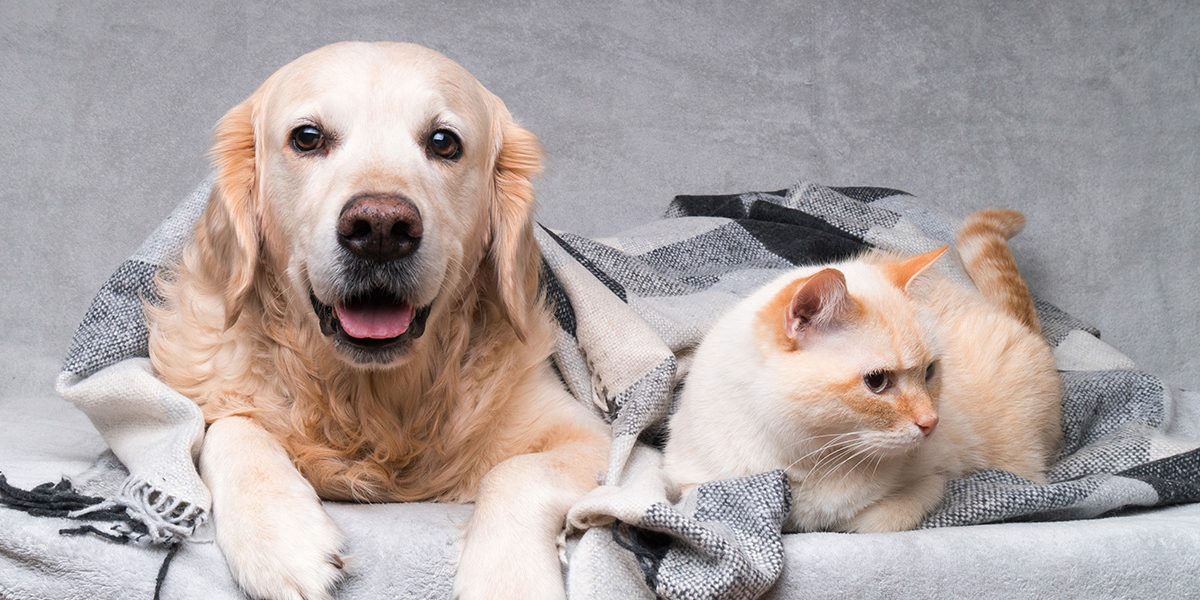
My living room has hosted just about every shade imaginable, from jet black fur that absorbs the light to pale cream coats that seem to glow in the sun. I have shared my home with tabby stripes, solid blocks of color, and patchwork patterns that look hand-painted. Those differences are not random acts of nature. They are the visible signatures of genes at work beneath the surface.
Color is often the first thing people notice about a pet. It shapes first impressions and sometimes even influences adoption decisions. Over time, I found myself asking deeper questions about how those colors formed and why certain patterns repeat across generations.
Exploring the science behind coat colors and patterns in pets has completely changed how I look at my animals. Instead of seeing fur as a simple aesthetic trait, I now see it as a living genetic map that tells a story about ancestry, biology, and evolution.
Pigment At The Cellular Level
All coat colors in dogs and cats begin with pigment-producing cells called melanocytes. These cells create melanin, the primary pigment responsible for black, brown, and reddish hues. The type and amount of melanin deposited into each hair shaft determine the final visible color.
Two main forms of melanin play the starring roles. Eumelanin produces black and brown shades, while pheomelanin produces red, orange, and yellow tones. Variations in gene expression control how much of each pigment appears and where it is distributed across the body.
Watching sunlight hit my dog’s coat, I sometimes see subtle undertones that are invisible indoors. That shift in appearance reflects the complexity of pigment distribution. The science behind coat colors and patterns in pets reveals how finely tuned these processes truly are.
The Genes That Paint The Coat
Specific genes regulate pigment production and placement. In dogs, genes located at different loci interact to create an astonishing range of outcomes. A single mutation can lighten black fur to chocolate or dilute it to a smoky gray.
For example, the Labrador Retriever is known for black, yellow, and chocolate coats. These variations are controlled by interactions between genes that switch pigment production on or off. Even two black Labradors can produce yellow puppies if they both carry the recessive gene responsible for that color.
Seeing this play out in real litters fascinates me. What looks simple on the outside is actually the result of layered genetic instructions interacting in precise combinations.
Dilution And Color Modifiers
Some genes do not create new colors but modify existing ones. Dilution genes soften intense pigments, turning black into blue-gray or red into cream. These changes occur because pigment granules are distributed differently within each hair strand.
Breeds like the French Bulldog sometimes display blue coats due to dilution genes. While visually striking, these genetic variations can also be linked to specific health considerations. Responsible breeding practices are essential when selecting for rare colors.
The science behind coat colors and patterns in pets reminds me that beauty and biology are intertwined. Selecting for unusual shades without considering overall health can create unintended consequences.
Patterns Written Across The Body
Color alone tells only part of the story. Patterns add another layer of complexity. Stripes, spots, patches, and ticking all arise from genetic instructions that control pigment placement during development.
In cats, the Bengal cat displays dramatic rosettes reminiscent of wild ancestors. These markings are influenced by genes that regulate how pigment cells migrate and cluster in the skin before birth. Slight shifts in timing can produce vastly different patterns.
Watching kittens grow, I have seen faint tabby markings darken over weeks. That gradual emergence highlights how gene expression continues to shape appearance even after birth.
The Mystery Of White Coats
White fur can occur for several different genetic reasons. In some cases, it results from a complete lack of pigment production. In others, pigment cells fail to migrate properly during early development.
The Samoyed is famous for its thick white coat. Despite the absence of visible color, the underlying genetics can still carry information about pigment potential. A white dog may genetically be black or brown beneath the masking effect of certain genes.
I once assumed white fur meant simplicity in genetics. Studying the science behind coat colors and patterns in pets quickly proved that assumption wrong. White coats often involve some of the most complex genetic interactions.
Spotting And Patchwork Designs
Spotted coats appear when pigment is distributed unevenly across the body. The Dalmatian offers one of the most recognizable examples. Puppies are born nearly white, and spots develop as they mature due to specific genetic triggers.
In cats, bicolor and calico patterns result from unique chromosomal mechanisms. Female cats can display both black and orange patches because of X chromosome inactivation. Each patch represents a different active gene expression pattern in localized skin cells.
These biological processes unfold invisibly before birth. Yet the outcome is a coat that looks almost artistically deliberate. The science behind coat colors and patterns in pets reveals that nature functions as both engineer and painter.
The Role Of Selective Breeding
Humans have played a significant role in amplifying specific colors and patterns. Breed standards maintained by organizations such as the Cat Fanciers’ Association and the American Kennel Club define acceptable coat traits for many breeds. Over generations, breeders selected for particular shades and markings.
This intentional selection narrows genetic variation around desired traits. While it produces consistent appearances, it can also increase the likelihood of linked genetic issues. Balancing aesthetics with health requires careful planning and transparency.
Seeing how preferences shape biology makes me more mindful about the pets I support and admire. Coat color should never outweigh well-being.
Environmental Influences On Color
Genes set the blueprint, but environmental factors can subtly influence appearance. Nutrition, sunlight exposure, and overall health may affect coat vibrancy and texture. A nutrient-deficient diet can dull even genetically rich pigmentation.
Temperature-sensitive genes provide another fascinating example. Some cats carry genes that darken fur in cooler body regions. The Siamese cat develops darker extremities because pigment production activates in cooler areas like ears, paws, and tails.
I find it remarkable that something as simple as body temperature can shape visible color. The science behind coat colors and patterns in pets blends genetics with environmental nuance in unexpected ways.
Genetic Testing And Modern Insights
Advances in genetic testing now allow pet owners to uncover the specific genes influencing their animal’s coat. DNA panels can identify carrier status for dilution, spotting, or long-hair traits. These tools provide clarity that previous generations could only guess at.
For breeders, such tests guide responsible pairing decisions. Avoiding combinations that could produce health complications linked to certain coat genes helps protect future litters. For pet owners, the information satisfies curiosity and deepens appreciation.
I once tested a mixed-breed dog purely out of interest in her ancestry. The report explained her brindle pattern and confirmed genetic contributions I had suspected. That experience made the science feel tangible rather than abstract.
Evolutionary Roots Of Color Variation
Wild ancestors of domestic pets relied on camouflage for survival. Coat colors that blended into natural environments offered protection from predators and advantages in hunting. Over time, domestication relaxed those survival pressures.
This shift allowed humans to favor unusual colors that would have been disadvantageous in the wild. Bright white coats or bold spotted patterns became acceptable because safety no longer depended on concealment.
Reflecting on this evolutionary journey adds depth to my daily interactions with pets. Their coats carry echoes of survival strategies and human preference intertwined.
Emotional Responses To Color
Color influences perception in subtle ways. People often attribute personality traits to pets based on coat shade alone. Black dogs sometimes face unfair adoption biases, while lighter-colored animals may be perceived as friendlier.
These reactions reveal how human psychology intersects with biology. The science behind coat colors and patterns in pets extends beyond genes into cultural attitudes and emotional responses.
I make a conscious effort to separate appearance from expectation. A coat color does not determine kindness, intelligence, or loyalty. It simply reflects genetic artistry.
The Ongoing Puzzle Of Genetics
Despite decades of research, coat genetics continues to surprise scientists. New mutations and gene interactions are still being discovered. Each finding adds another layer to an already intricate system.
Watching my pets shed and regrow fur seasonally reminds me that this process is dynamic. Hair follicles cycle through growth phases influenced by both genes and hormones. Even texture and density shift over time.
The science behind coat colors and patterns in pets is not static knowledge. It evolves alongside advances in molecular biology and veterinary science.
Final Thoughts
Fur may seem like a surface detail, yet it holds profound biological meaning. Beneath each stripe, spot, or solid hue lies a network of genetic instructions shaped by evolution and human influence. Observing my pets through this lens transforms everyday moments into small scientific marvels.
The science behind coat colors and patterns in pets deepens appreciation for the complexity woven into every hair strand. Genes dictate pigment production, pattern formation, and subtle modifiers that create endless variation. Environmental factors and selective breeding further refine those outcomes.
Living with animals means witnessing biology expressed in living color. Each coat tells a story written in DNA and refined by time. That story continues to unfold with each new generation, blending art and science in the most tangible way possible.
