
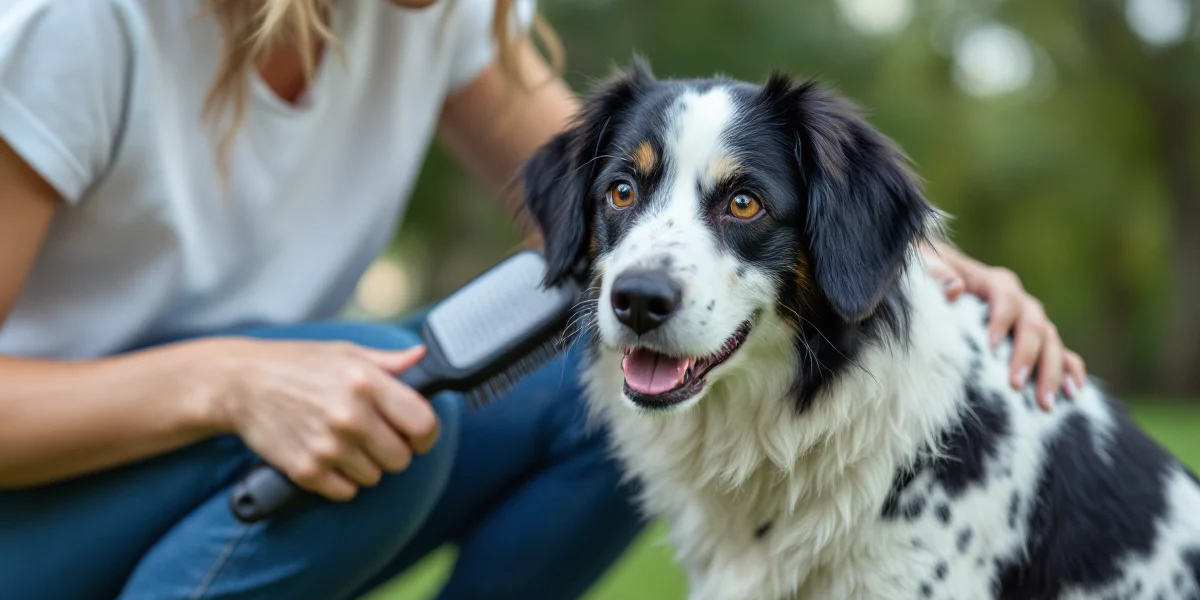
Some dogs carry history in their posture, their eyes, and even in the way they move across a room. Long before suburban backyards and city apartments, certain breeds were already standing guard at campsites, herding livestock across rugged terrain, or traveling alongside traders on ancient routes. Living with one of these breeds feels like sharing space with a small piece of living history.
I have always been drawn to dogs with deep roots. Their instincts seem sharper, their independence more pronounced, and their personalities shaped by generations of survival and partnership with humans under demanding conditions. Exploring ancient dog breeds and their modern personalities reveals just how powerfully the past still shapes the present.
The Legacy Written In Their DNA
Ancient breeds are often defined by genetic studies that trace their lineage closer to early domesticated dogs. While all dogs share a common ancestor, some lines remained relatively unchanged for thousands of years. These breeds developed in specific regions, molded by climate, work demands, and human culture.
That long history did not disappear simply because society modernized. Traits that once helped a dog guard livestock or pull a sled can still show up in a living room today. I notice it in their alertness, their sensitivity to movement, and their tendency to make decisions independently rather than constantly looking for direction.
Ancient dog breeds and their modern personalities are tightly intertwined. Selective breeding may have softened some edges, but core instincts often remain remarkably intact.
The Akita: Dignity And Devotion
The Akita traces its origins to Japan, where it was used for guarding and hunting large game. Historical records and artwork show dogs that resemble the Akita centuries ago, standing tall and composed. That sense of dignity is still obvious in the breed today.
Living with an Akita requires respect for its independence. I have observed that they form intense bonds with their families but do not necessarily seek constant approval. Their loyalty runs deep, and their protective instincts can be strong, especially around strangers.
In a modern home, that ancient guarding heritage translates into watchfulness. Proper socialization is essential to ensure confidence does not turn into suspicion. With patient training and clear boundaries, the Akita’s noble temperament shines in a way that feels both powerful and deeply affectionate.
The Basenji: The Quiet Hunter
Few breeds spark curiosity like the Basenji. Originating in central Africa, these dogs were prized for their hunting skills and distinctive vocalizations, or lack thereof. Instead of barking traditionally, they produce unique sounds that reflect their unusual anatomy.
I find the Basenji’s personality fascinating because it combines intelligence with independence. Their history as hunters required problem-solving and quick decision-making. That self-reliance remains evident today, often expressed through a mischievous streak and a tendency to explore.
In a contemporary household, the Basenji’s energy and curiosity demand engagement. Without sufficient stimulation, boredom can lead to creative mischief. Ancient dog breeds and their modern personalities often remind me that instincts do not vanish simply because the setting changes.
The Saluki: Grace Across Centuries
The Saluki is one of the oldest known sighthounds, historically revered in the Middle East for its speed and endurance. Ancient carvings depict slender dogs that closely resemble today’s Salukis. Their elegant build speaks of generations bred for swift pursuit across desert landscapes.
Sharing space with a Saluki reveals a gentle yet somewhat reserved nature. They tend to form strong attachments to their families but may remain aloof with strangers. That combination of affection and independence reflects their heritage as hunters who worked alongside humans without constant direction.
Modern life often contrasts sharply with the wide-open spaces of their origins. Secure areas for safe running are essential, as their prey drive can still ignite at the sight of quick movement. The balance between grace and instinct makes their personality both captivating and occasionally challenging.
The Siberian Husky: Endurance In Motion
The Siberian Husky developed with the Chukchi people of northeastern Asia, bred for sled pulling and survival in extreme cold. That partnership required stamina, cooperation, and resilience. Those qualities remain visible in Huskies today.
Their social nature often surprises people who expect a purely working dog demeanor. Huskies thrive in groups and frequently display playful, expressive personalities. However, their independence and strong prey drive reflect their working past.
I have noticed that modern owners sometimes underestimate their need for activity. Without sufficient exercise and mental challenges, frustration can surface. Ancient dog breeds and their modern personalities often highlight the importance of aligning a dog’s lifestyle with its inherited purpose.
The Shiba Inu: Compact And Confident
Another Japanese breed with ancient roots is the Shiba Inu. Originally bred for hunting small game in mountainous terrain, the Shiba developed agility and sharp awareness. Despite their smaller size, their confidence can feel outsized.
The Shiba’s personality is famously independent. They often prefer to assess situations on their own terms rather than constantly seeking reassurance. I admire their boldness, though it requires consistent training and early socialization to ensure balance.
In today’s homes, their alertness can make them excellent watchdogs. At the same time, their self-assured nature may challenge inexperienced owners. Their ancient background seems to echo in their composed yet spirited presence.
The Afghan Hound: Beauty With Depth
The Afghan Hound carries an unmistakable silhouette, with flowing coats and regal bearing. Originating in mountainous regions of Afghanistan, these dogs hunted by sight and relied on speed and agility.
Behind their glamorous appearance lies a personality shaped by independence. Afghan Hounds often display a certain aloofness, paired with sensitivity. I have found that they respond best to gentle, patient training rather than heavy-handed methods.
Their ancient lineage shows in their strong prey drive and love of open space. Modern living may require adjustments, but their elegant demeanor remains a testament to centuries of selective breeding for function as much as form.
The Chow Chow: Reserved And Loyal
The Chow Chow is believed to be one of the oldest Chinese breeds, historically serving as guard dogs and companions. Their distinctive lion-like mane and blue-black tongue make them instantly recognizable.
Chow Chows tend to bond deeply with their immediate family while maintaining distance from strangers. That reserved nature aligns with their historical role as guardians. I have noticed that early socialization plays a crucial role in shaping their comfort level around new people and environments.
Ancient dog breeds and their modern personalities often challenge the assumption that all dogs crave constant social interaction. Some breeds, like the Chow, are content with quiet loyalty and a smaller circle of trust.
How Environment Shapes Expression Of Instinct
While genetics lay the foundation, environment influences how traits manifest. A Siberian Husky in a rural home with daily runs may appear calm and satisfied. The same dog in a small apartment without sufficient outlets may display restlessness.
I have seen how thoughtful training can channel ancient instincts productively. Herding games, scent work, and structured exercise give these dogs a sense of purpose. Ignoring those needs, on the other hand, can lead to behavioral challenges.
Ancient dog breeds and their modern personalities demonstrate that instinct is not destiny. With guidance and structure, many traits can be shaped into positive outlets rather than problematic behaviors.
Living With History In The Modern World
Inviting an ancient breed into a contemporary household requires awareness. These dogs were not originally developed for purely decorative roles. They worked, guarded, hunted, or traveled alongside humans in demanding conditions.
I find that respecting their heritage fosters better relationships. Instead of expecting them to conform completely to modern expectations, I try to accommodate their core needs. That might mean extra exercise, consistent leadership, or structured training routines.
The reward is a connection that feels deeply rooted. There is something powerful about living with a dog whose ancestors stood watch centuries ago. That sense of continuity adds depth to the daily companionship we share.
Misconceptions About Ancient Breeds
Some people assume ancient breeds are inherently more aggressive or difficult. Others romanticize them as mystical or superior. Both extremes overlook the complexity of individual temperament and responsible ownership.
No breed is defined solely by its age. Personality varies within any lineage, and ethical breeding plays a significant role in temperament stability. I have met gentle Akitas and reserved yet affectionate Chows who defy stereotypes.
Ancient dog breeds and their modern personalities cannot be reduced to simple labels. They are shaped by history, yes, but also by present-day experiences and the people who guide them.
The Balance Between Instinct And Adaptation
Over time, even ancient breeds have adapted to changing roles. Many now thrive as family companions rather than working partners. Selective breeding for temperament has softened certain traits in some lines.
Still, core characteristics often remain visible beneath the surface. A Saluki may lounge peacefully for hours yet explode into motion at the sight of a squirrel. A Shiba Inu might appear calm indoors but assert independence during training sessions.
I appreciate that blend of old and new. It reminds me that domestication is a continuous process rather than a completed one. The past informs the present in subtle but meaningful ways.
Final Thoughts
Ancient dog breeds and their modern personalities offer a living bridge between eras. Their instincts, shaped by geography and human partnership centuries ago, still influence behavior in today’s homes. Recognizing and respecting that heritage leads to more harmonious relationships.
Living with one of these breeds requires commitment, patience, and curiosity. Their independence and intensity can challenge expectations, but they also bring depth and character that feel profoundly authentic. By honoring both their history and their present needs, we create space for them to thrive.
The past is never truly gone when it walks beside us on four legs. Ancient dog breeds and their modern personalities remind me that companionship is built not only on affection but also on shared evolution. Through thoughtful care and informed guidance, these remarkable dogs continue to adapt while carrying their stories forward into our lives.
