
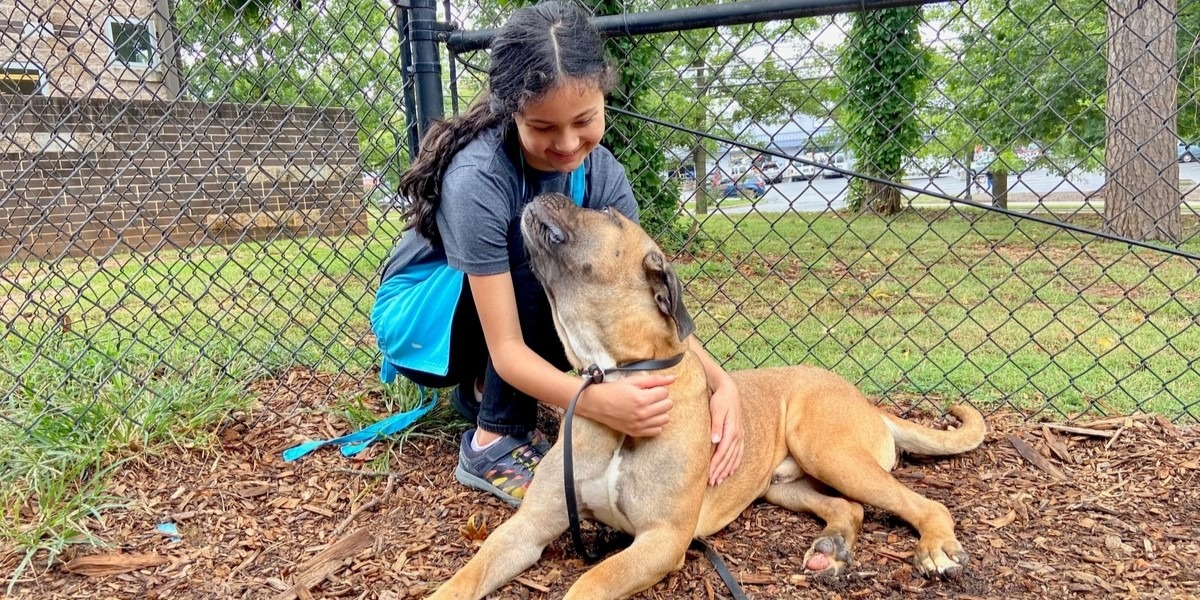
Life inside a busy home can feel loud, joyful, and slightly chaotic all at once. Toys end up under the couch, water bowls get bumped, and someone is always calling out for attention. In the middle of that movement, children and animals often form bonds that are both heartwarming and delicate. Those relationships deserve thoughtful guidance so they grow into something healthy and secure.
Raising kids and pets together safely requires intention, patience, and constant awareness of both sides of the relationship. Children are still developing impulse control and empathy, while pets rely on instinct and body language to communicate. Bridging that gap is one of the most important roles I take on as a parent and pet owner.
Setting Clear Household Rules Early
Clear expectations form the backbone of a peaceful home. I never assume that kindness toward animals will happen automatically, even if my children adore them. Instead, I spell out simple, age-appropriate rules and repeat them often.
Gentle hands, no pulling tails, and no disturbing pets while they eat or sleep are non-negotiable guidelines in my house. I demonstrate what gentle touching looks like by guiding small hands and modeling calm behavior myself. Repetition helps turn these rules into habits rather than temporary instructions.
Consistency matters just as much as explanation. If I allow rough play one day and correct it the next, confusion follows. Children thrive on structure, and pets relax when routines are predictable.
Respecting a Pet’s Space
Personal space is not just a human need. Pets require safe zones where they can retreat without fear of being followed or cornered. I designate specific areas in the home as off-limits to children, whether it is a crate, a dog bed in a quiet corner, or a high perch for a cat.
I explain that this space belongs to the pet and must be honored. Framing it as a special bedroom often helps younger children grasp the concept. If they would not want someone jumping on their bed while they rest, the same courtesy should apply to the animal.
Raising kids and pets together safely depends heavily on this boundary. A pet that feels trapped or constantly disturbed may respond defensively, even if it has a gentle temperament. Preventing that stress protects everyone involved.
Supervising Interactions Without Hovering
Active supervision is essential, especially with toddlers and infants. I stay within arm’s reach during early interactions, ready to step in if excitement escalates. Supervision does not mean constant tension, but it does require attention.
I also resist the urge to micromanage every moment. Children need opportunities to practice kindness and responsibility. By calmly observing and stepping in only when necessary, I allow natural bonding to develop while still ensuring safety.
As children grow older, supervision shifts rather than disappears. I check in frequently and remind them to read the pet’s body language. Trust builds gradually, not overnight.
Teaching Body Language Awareness
Pets communicate primarily through posture, facial expressions, and subtle cues. I make it a point to teach my children what those signals mean. A wagging tail does not always indicate happiness, and a cat’s flicking tail can signal irritation.
We talk about flattened ears, stiff bodies, and avoidance behaviors. I show them how to pause and give the animal space if those signs appear. Turning this into a conversation rather than a lecture makes it more engaging and memorable.
Raising kids and pets together safely becomes far more achievable when children can interpret what the pet is saying without words. That skill fosters empathy and reduces the risk of accidental provocation.
Managing Excitement Levels
Children often express affection loudly and physically. Running, squealing, and sudden hugs can overwhelm even the most tolerant pet. I guide my children toward calmer ways of showing love.
We practice sitting quietly beside the dog and stroking gently instead of climbing or squeezing. For high-energy moments, I redirect play outdoors where space allows for safer interaction. Structured games like fetch under adult supervision channel excitement into appropriate outlets.
Balance is important. Pets benefit from playful engagement, but that energy must remain controlled. Teaching children to modulate their volume and movements reduces stress for everyone.
Safe Introductions With New Babies
Introducing a newborn into a home with pets requires preparation long before the baby arrives. I gradually expose my pets to baby-related sounds and scents so the transition feels less abrupt. Playing recordings of infant cries at low volume and rewarding calm behavior helps ease the adjustment.
Once the baby is home, I maintain routines as much as possible. Feeding, walks, and playtime continue to provide reassurance. When pets associate the baby’s presence with positive experiences, tension decreases.
Raising kids and pets together safely begins at this early stage. I never leave a baby unattended with any animal, no matter how trustworthy that pet has been in the past. Supervision remains constant, even during brief moments.
Assigning Age-Appropriate Responsibilities
Involving children in pet care nurtures accountability and compassion. I assign tasks that match their developmental stage, such as filling a water bowl or helping brush the dog under supervision. These small responsibilities strengthen the bond between child and pet.
I remain realistic about their abilities. Young children may forget or become distracted, so I treat these tasks as shared efforts rather than solo obligations. Praise reinforces positive behavior and builds confidence.
Raising kids and pets together safely includes teaching respect through action. When children participate in daily care, they begin to see the pet as a living being with needs rather than a toy.
Addressing Jealousy and Competition
Pets can experience shifts in attention when children enter the picture. I watch for signs of jealousy, such as clinginess or withdrawn behavior. Instead of scolding, I increase positive one-on-one time to reassure the pet.
Children may also feel competitive if they perceive the pet receiving more attention. I talk openly about fairness and remind them that love is not divided but expanded. Encouraging shared activities reduces rivalry and promotes unity.
Raising kids and pets together safely requires emotional awareness on both sides. Ignoring jealousy can lead to behavioral issues that escalate over time.
Establishing Feeding Boundaries
Food can trigger possessive instincts in animals. I teach my children never to approach a pet while it is eating. Bowls are placed in quiet areas where interruptions are unlikely.
Treat time also follows clear rules. I show children how to offer treats with flat palms and wait patiently. If a pet tends to snatch food, I take over the distribution to prevent accidental nips.
These precautions may feel repetitive, but they build long-term habits. Preventing food-related incidents protects trust within the household.
Handling Rough Play and Corrections
At times, children test boundaries without realizing the consequences. If rough behavior occurs, I step in immediately and calmly separate the child and pet. Yelling rarely improves the situation and can heighten stress for both.
Afterward, I explain why the behavior was inappropriate and model the correct alternative. Pets also receive reassurance to prevent lingering anxiety. Addressing incidents promptly prevents patterns from forming.
Raising kids and pets together safely involves correcting mistakes with patience rather than blame. Growth comes from guidance, not fear.
Maintaining Health and Hygiene
Health precautions are part of responsible cohabitation. Regular veterinary visits, vaccinations, and parasite prevention protect both pets and children. I keep grooming schedules consistent to minimize shedding and allergens.
Handwashing becomes a routine after play sessions. Teaching children to wash up reinforces good hygiene habits that extend beyond pet interactions. Clean living spaces reduce the risk of illness and create a more pleasant environment overall.
Raising kids and pets together safely includes proactive health measures. Prevention is always easier than treatment.
Preparing for Different Temperaments
Not all pets share the same tolerance levels. Some thrive in lively homes, while others prefer quieter surroundings. I consider personality carefully before adding a new animal to the family.
Gradual introductions help gauge compatibility. Observing how a pet reacts to children’s energy provides valuable insight. Adjustments can then be made to routines or supervision levels as needed.
Flexibility remains crucial. No two households operate identically, and adapting strategies ensures long-term harmony.
Encouraging Compassion and Empathy
One of the greatest gifts of growing up with animals is the development of empathy. I encourage my children to notice how their actions affect the pet’s mood. We talk about emotions in simple, relatable terms.
If the dog retreats after loud play, I ask what might have caused that reaction. These conversations build awareness and strengthen emotional intelligence. Over time, kindness becomes instinctive rather than forced.
Raising kids and pets together safely shapes not only behavior but character. The lessons learned often extend far beyond the home.
Navigating Challenging Phases
Life stages bring new challenges. Toddlers explore with grabbing hands, and adolescents may test authority. Pets also age, sometimes becoming less tolerant or more fragile.
During these transitions, I reassess boundaries and supervision levels. What worked last year may need adjustment today. Staying attentive prevents complacency from leading to accidents.
Patience carries the household through these phases. Consistent communication and gentle reminders maintain stability even during growth spurts and behavioral shifts.
Final Thoughts
A harmonious home filled with both children and animals does not happen by accident. It grows from daily effort, clear communication, and a willingness to adapt. Mistakes may occur, but proactive guidance keeps them from defining the relationship.
Raising kids and pets together safely is an ongoing commitment rather than a one-time decision. With structure, empathy, and attentiveness, these bonds can flourish into lifelong memories built on trust and mutual respect.
